Sales of imported light passenger vehicles in South Korea increased by 6% to 34,904 units in September 2026, up from 32,834 units in the same month last year, according to registration data released by the Korea Automobile Importers & Distributors Association (KAIDA).
Import sales have risen sharply this year, driven by strong local demand for battery electric vehicles (BEVs) and hybrid electric vehicles (HEVs). In the first nine months of 2026, deliveries surged by 24% to 279,729 units, up from 225,348 units in the same period last year.
Imports have strongly outperformed sales by the country’s five main automakers, which reported a 7.6% drop in combined sales to 953,480 units year-to-date, mainly due to a sharp decline at Hyundai, as the automaker struggled with supply-chain issues and industrial action over wages, while some of the smaller manufacturers have also struggled to keep pace.
Tesla has been behind most of the import segment’s strong growth this year, with deliveries surging by 104% to 89,148 units year-to-date, making it the leading import brand with a 32% share of segment sales.
BMW slipped into second place after its sales rose slightly to 57,929 units in the nine-month period, while its Mini subsidiary saw its sales rise by 8% to 6,066 units. Together, the two brands accounted for 23% of total import sales. BMW recently introduced its new battery-powered iX3 SUV, based on the company’s new ‘Neue Klasse’ platform.
Mercedes-Benz’s sales fell by over 10% to 43,249 units year-to-date, despite the launch of a new product offensive earlier in the year. The company, which led the South Korean import segment just a few years ago, planned to bring in ten new and facelifted models in 2026 as it looked to strengthen its electrified vehicle line-up.
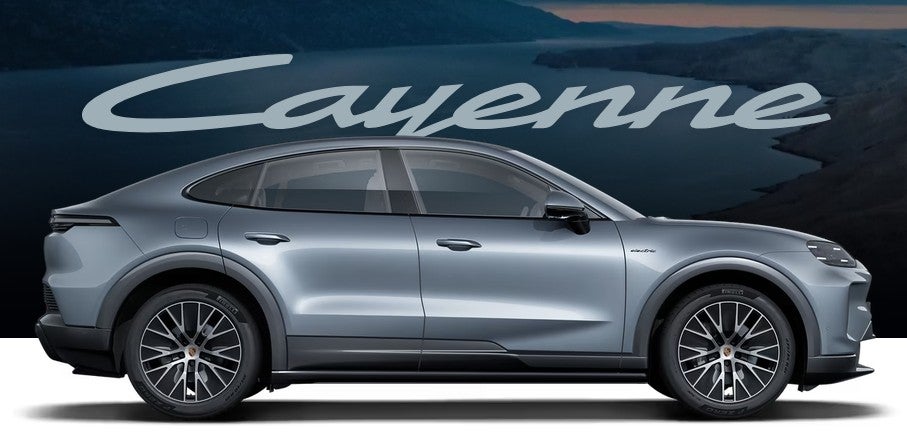
Volkswagen Group reported a slight sales decline to 21,486 units year-to-date, despite strong demand for Audi models. Porsche, which saw its sales fall by over 21% to 6,573 units, is expanding its sales network and plans to launch more than ten new models in the country by the end of the year, including the new Cayenne Coupe Electric. Toyota’s sales rose by 20% to 8,513 units, while its Lexus division reported a 4% decline to 11,197 units.
BYD has made strong inroads into the South Korean market in the last year, with sales jumping sevenfold to 20,137 units in the first nine months of 2026, despite the company failing to qualify for BEV incentives under the government’s new points-based system announced in July. The automaker has indicated that it will focus more of its efforts on the plug-in hybrid segment in its pursuit of further growth, starting with the recent launch of the Sealion 6 Dual Mode Intelligent (DM-i) plug-in hybrid model.