
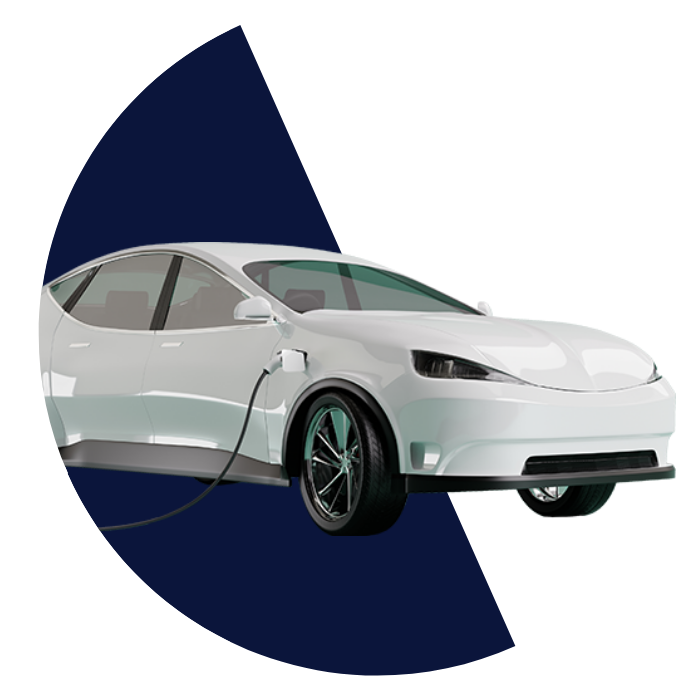
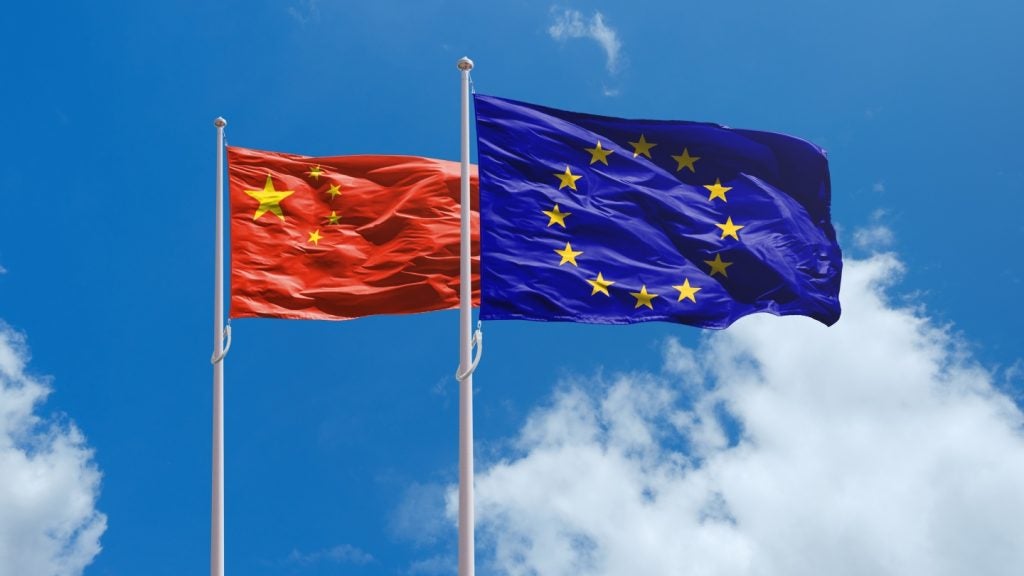
The European Union (EU) and China have agreed a shared understanding to moderate Chinese exports of hybrid and plug-in hybrid vehicles to the EU, Commissioner Maroš Šefčovič said in Beijing.
He said the arrangement opens the prospect of reducing those exports by more than half.
A document seen by Bloomberg indicates that the EU would limit imports of Chinese hybrid vehicles to 350,000 cars a year.
The safeguard measure could take effect as soon as 1 December.
The ceiling would increase by 6% annually from the second year and run for four years, during which both sides would commit to following World Trade Organization rules.
It would apply to all sources of EU imports, including partners with free-trade agreements.
"It is a crucial first step – but only a first step – in the process of rebalancing," Šefčovič said.
Šefčovič outlined two further understandings. One would widen access to the Chinese market for EU products, ranging from car parts to olive oil and footwear, through lower most-favoured-nation tariffs.
These products have a current export value of almost €4bn ($4.47bn), with duty savings of at least €225m. The other would further ease China's export licensing for rare earths and permanent magnets.
According to the Chinese commerce ministry, as cited in Reuters' report, Commerce Minister Wang Wentao told Šefčovič that China was not the root cause of the EU's problems but a partner in resolving them.
The EU's trade deficit with China has grown to more than €1bn a day.
In the second quarter of 2026, its goods trade deficit with China stood at €103bn, the highest since the third quarter of 2022.
Šefčovič said EU president von der Leyen will review the outcomes with leaders at the European Council, which will make the final decision.
Reuters reported that EU leaders will meet in Brussels on 15 October to decide whether the result marks the start of rebalancing.
It also said EU governments are alarmed by the sharp rise in car imports from China while European carmakers cut jobs, notably Volkswagen, where 100,000 jobs are going.
Šefčovič and Wang will meet again by January, and the third Trade and Investment Consultations are scheduled for March.