
The Chinese government has announced that it plans to cut the value-added tax (VAT) rebate for exports of new energy vehicles (NEVs) in April 2027, as it continues to review its export tax rebate policies as part of a broader fiscal optimisation drive. The government announced similar tax rebate cuts on exports of other products, including photovoltaic and battery products, while the export tax rebate on e-cigarette devices will be scrapped altogether.
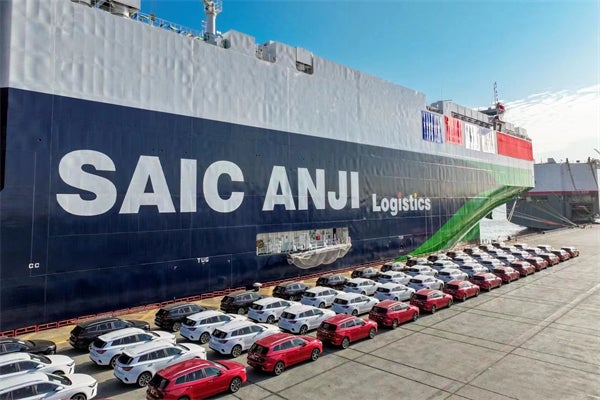
The move to cut the NEV tax rebate is described locally as an effort to rein in the recent spillover of China’s cutthroat domestic NEV price war into overseas markets, as the government looks to reduce tensions with key overseas trading partners. Chinese automakers are facing growing accusations of dumping their products in overseas markets, as they struggle with plunging demand in their home market.
The latest data from the China Passenger Car Association (CPCA) shows that retail sales of passenger vehicles in China plunged by 28% to 1.603 million units in September and by 22% to 13.334 million units in the first nine months of the year. By contrast, exports surged by 76% to 7.015 million units year-to-date, with NEV exports jumping by 139% to 3.887 million units.
The Chinese government confirmed that it will cut the VAT tax rebate on NEVs to 9% from 13%, effective from April 2027.