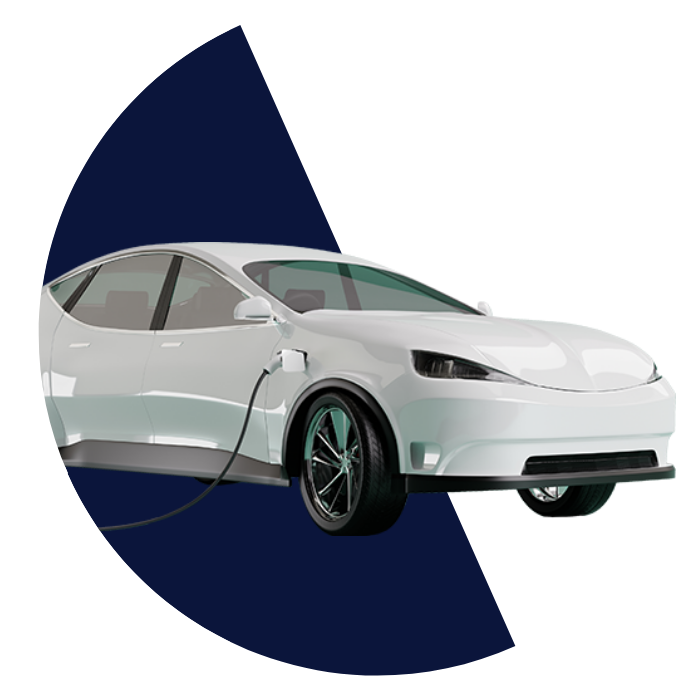
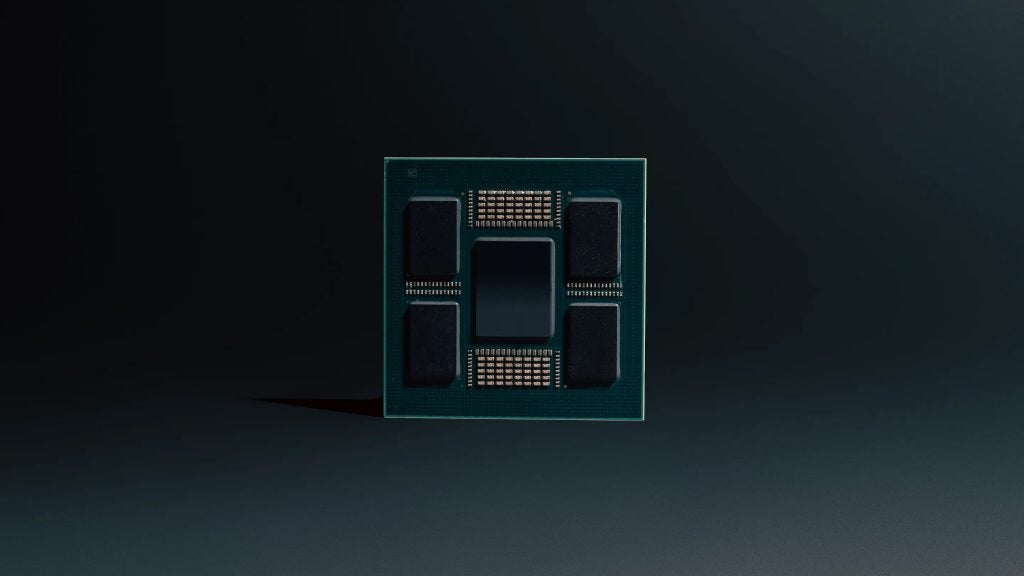
Waymo, the autonomous driving subsidiary of Google parent Alphabet, has developed a custom application-specific integrated circuit (ASIC) that is now in production for its latest-generation robotaxis.
The 5nm chip is designed to process raw sensor data, including LiDAR, radar and camera streams, in real time, feeding Waymo's onboard machine learning systems that power driving decisions.
GlobalData: More on autonomous tech
The company said the chip's specialised accelerators extract information from sensor streams instantly, including temporal denoising intended to improve performance in low-light conditions, before passing data to Waymo's inference engine for sensor fusion.
According to Waymo, the ASIC delivers more than 1,000 TOPS (trillion operations per second) of machine learning performance dedicated to front-end sensor processing.
Waymo said its compute architecture is built around three design requirements.
These are “low-latency” responsiveness for “real-time” decision-making “without a human backup driver”; “ruggedised” hardware able to withstand vibration, shock and extreme temperatures via integration with the vehicle's liquid cooling system; and built-in redundancy.
The company said it continues to work with AMD, Micron, Nvidia, Samsung, SanDisk, Socionext and TSMC on components of its computing system, alongside development of its own custom silicon.
Waymo said the ASIC is one of several custom hardware components currently in development.
In June, Waymo established a German legal entity, signalling preparations for a potential entry into the European robotaxi market.
The new entity, Waymo Germany, lists Google's Munich office as its registered address.
Earlier this year, in February, Waymo completed a $16bn financing round that valued the autonomous driving company at $126bn on a post-money basis.
The investment was led by Dragoneer Investment Group, DST Global and Sequoia Capital. Its parent Alphabet remains the largest shareholder, while Andreessen Horowitz and Mubadala Capital also participated.