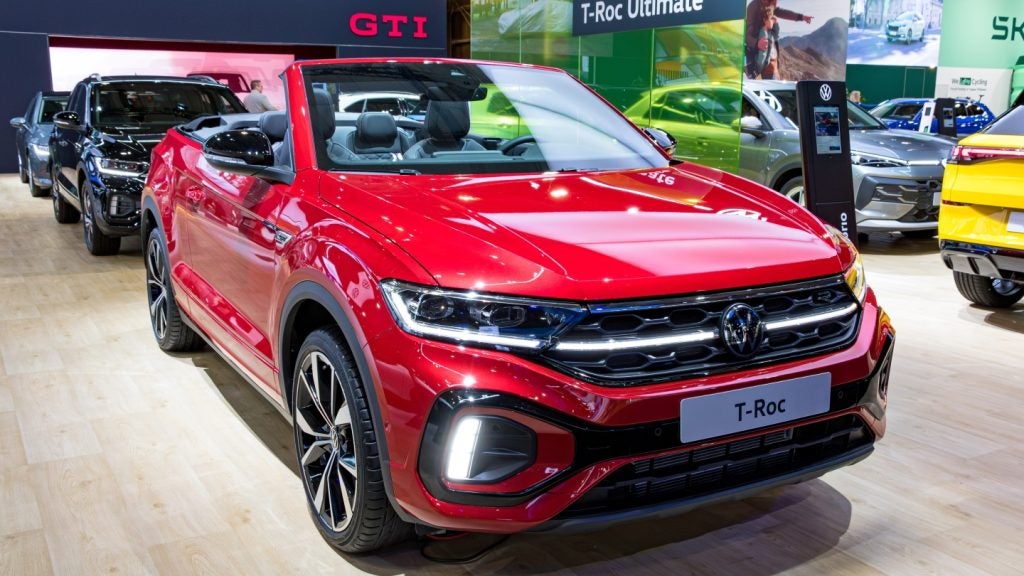
Volkswagen is cutting production of its T-Roc Cabrio convertible SUV at its Osnabrück facility in Germany, fuelling growing concern among worker representatives over the plant's long-term future.
A company spokesperson, cited by Reuters, confirmed that the T-Roc Cabrio – described as a niche model within Volkswagen's broader portfolio – will continue to be manufactured at the site until 2027.
However, no plans for the facility beyond that point have been announced.
As part of the production adjustment, a scheduled holiday shutdown at Osnabrück will be extended by one week, and additional production-free days are to be introduced.
The spokesperson said the decision was tied to seasonal demand patterns for convertible vehicles, which tend to attract stronger interest during the spring and early summer months in the Northern Hemisphere, with demand typically easing in the second half of the year.
Volkswagen has previously indicated that it is in advanced discussions with defence companies over possible alternative uses for the Osnabrück site, though no firm arrangements have been confirmed.
The carmaker's general works council voiced concern over the consequences for the plant's workforce of approximately 2,300 employees.
A works council spokesperson warned that the latest production reduction would deepen existing uncertainty at the site, characterising the "precarious situation" as effectively constituting a de facto four-day working week at Osnabrück.
No long-term production roadmap for the facility has been set out beyond the scheduled conclusion of T-Roc Cabrio manufacturing.
In a separate development, Volkswagen joined Stellantis and Renault earlier this month in pressing EU policymakers to strengthen support for automotive manufacturing across Europe.
The three carmakers, which together account for around 60% of vehicles produced within the EU, had submitted proposals as part of ongoing negotiations over the bloc's forthcoming Industrial Accelerator Act.
Their joint submission called for a more clearly defined framework to promote local sourcing, development activity and vehicle assembly within the region, as competition from Chinese manufacturers continues to mount.