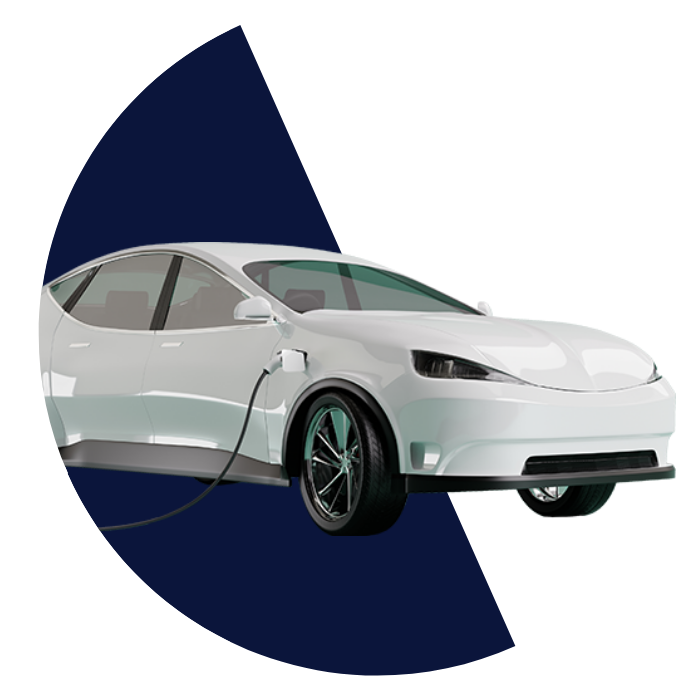
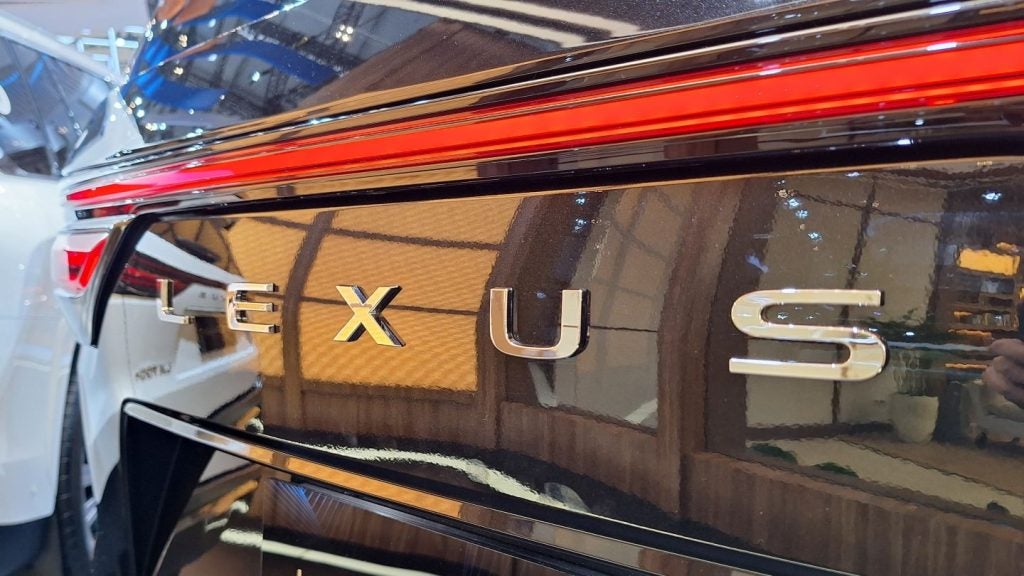
Toyota has scrapped development of a forthcoming Lexus electric vehicle, opting instead to direct resources towards sport utility vehicles and other body styles as momentum in the global EV market slows.
As reported by Nikkei Asia, the cancelled project concerns the planned road-going version of the Lexus LF-ZC concept saloon.
Toyota had intended to build the model using gigacasting, a manufacturing method that forms larger vehicle sections by casting aluminium into sizeable integrated parts.
The vehicle had first been slated for production later this year, but that target had already been deferred to mid-2027.
Output was due to take place at a factory in Aichi prefecture. Although the Lexus model will not proceed, Toyota is set to continue work on gigacasting and solid-state battery technology.
The company is also expected to revisit the idea of a next-generation EV in future and assess whether these technologies can be applied to more in-demand formats such as SUVs.
The decision comes despite an increase in Toyota’s EV sales.
In 2025, the group’s worldwide electric vehicle sales rose 42% to above 190,000 units, driven by vehicles such as the updated bZ4X SUV and the lower-priced bZ3X, which is sold exclusively in China.
Still, conditions for EV makers have become more difficult. In the US, President Donald Trump has removed tax breaks for EV buyers.
In Europe, the European Union has stepped back from its previous position that would have effectively stopped the sale of new petrol and diesel vehicles by 2035.
With demand growth losing pace, Toyota appears to have determined that an electric model in the luxury saloon segment is not the best fit for current market conditions.
Toyota has also reported a fall in earnings for FY26, with profitability affected by US tariffs, cost inflation and currency-related pressure, despite stable sales performance and pricing.
For the fiscal year ended March 2026, operating income dropped 21.5% to Y3.76tn ($39.81bn).
The company said a Y1.38tn hit from tariffs more than offset support from stronger vehicle volumes, pricing changes and higher value chain revenue.
Revenue for the full year increased 5.5% to Y50.68tn, while net income attributable to Toyota fell 19.2% to Y3.84tn.
Consolidated vehicle sales for the year totalled 9.595 million units, up 2.5%.
Combined Toyota and Lexus sales reached 10.477 million units, while total retail sales climbed to 11.283 million units. Electrified vehicle sales exceeded five million units for the first time.
Hybrid sales rose 4.4% to 4.62 million units. Plug-in hybrid volumes increased 8.6% to 175,000 units, and battery electric vehicle sales surged 68.4% to 243,000 units.
Japan continued to be Toyota’s largest source of profit, though earnings there were affected by exchange-rate movements and higher operating expenses.
In North America, profit dropped sharply because of tariff costs. Europe and Asia remained profitable, while other regions recorded earnings growth supported by pricing revisions.
In China, operating income from consolidated subsidiaries rose to Y197.5bn.
Profit from associates and joint ventures accounted for under the equity method came to Y108.2bn.