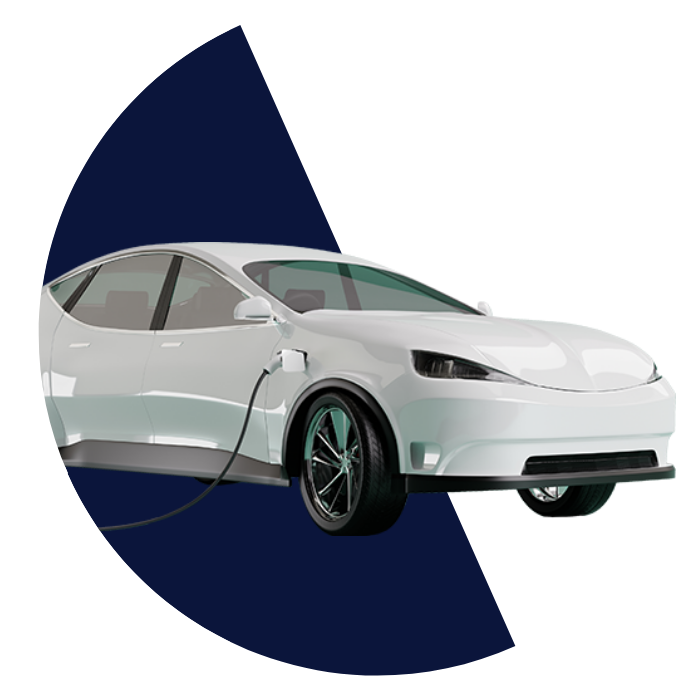

New vehicle sales in Thailand expanded by 17% to 58,724 units in June 2026, up from 50,079 units a year earlier, according to the latest data released by the Federation of Thai Industries (FTI). The market was driven higher by continued strong demand for passenger battery electric vehicles (BEVs), sales of which surged by 140% year-on-year to 22,275 units last month, while sales of internal combustion engine (ICE) passenger vehicles declined by 34% to 8,114 units.
The Thai domestic vehicle market continued to recover last month, supported by a pick-up in economic activity in the country in recent months. The latest government data show that GDP growth accelerated to 2.8% year-on-year in the first quarter of 2026, up from 2.5% in the fourth quarter of 2025, helped by a sharp rise in government spending and stronger private investment growth, while private consumption growth eased slightly.
In the first six months of 2026, Thailand’s domestic vehicle market expanded by almost 15% to 346,966 units, from 302,694 units a year earlier. Sales of pickup trucks fell by 4% to 71,271 units in this period, while sales of light passenger vehicles increased by 22% to 261,319 units, driven mainly by a 93% surge in mostly Chinese battery electric vehicle (BEV) sales to 104,418 units and a 21% increase in hybrid electric vehicle sales to 81,502 units, while sales of internal combustion engine (ICE) passenger vehicles fell by 25% to 54,506 units.
Vehicle production in the country fell by 1% to 717,212 vehicles year-to-date, reflecting an 8% drop in exports to 421,144 units, with shipments to markets in the Middle East disrupted by the US-Iran conflict.
The FTI said it expects vehicle production in the country to reach 1.45 million units in 2026, including 550,000 for sale domestically and 900,000 for export. GlobalData is forecasting light vehicle sales to rise by 5% to 647,000 units this year, after growing by 9% to 618,000 units in 2025, followed by a 5% rise to 679,000 units in 2027.