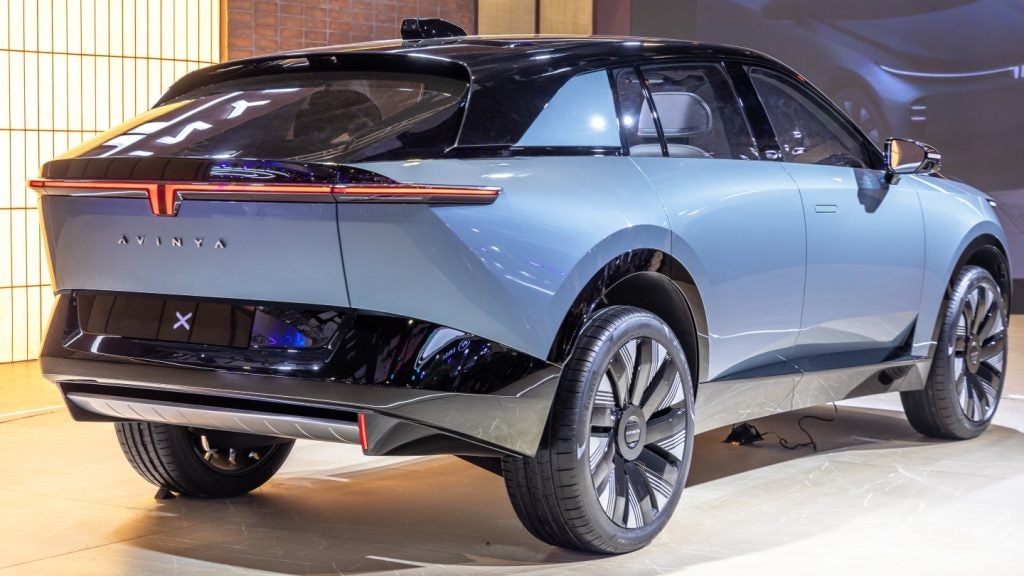
Tata Motors has selected a platform developed through a Chinese joint venture to underpin its Avinya electric vehicle (EV) line-up, after an earlier technology arrangement with Jaguar Land Rover (JLR) collapsed, reported Reuters.
The Indian automaker will build Avinya-branded EVs on the Freelander platform, which originated from a joint venture between Chery and JLR in China.
Production is slated for Tata's newly operational Tamil Nadu plant, with the first model due in 2027.
That vehicle will initially arrive in kit form for local assembly, and sourcing of domestic components is already under way.
A second model is pencilled in for 2029, with the possibility of two additional variants beyond that.
The original plan had called for Avinya vehicles to be built on JLR's electrified modular architecture, with a 2025 launch in view.
Those plans were abandoned after JLR shelved its electrified modular architecture-based EV programme in India, leaving Tata without a viable platform.
The Chery arrangement is intended to bridge that gap without the time and capital demands of developing independent technology.
The strategic shift comes as Tata faces mounting pressure in a fast-moving domestic EV market.
EVs account for 14% of its total sales, well below its stated 30% target for 2030.
Although Tata retained its position as India's leading passenger EV manufacturer in 2025 with a 38.4% market share, according to GlobalData – parent of Just Auto – that figure marked a sharp decline from the approximately 60% share it held the previous year.
Rivals such have moved quickly into the space. Mahindra & Mahindra and JSW MG Motor have both been closing the gap with Tata, with the latter also holding a platform licensing arrangement with Chery.
The deal also takes shape against a complicated regulatory backdrop.
India has maintained restrictions on investment from bordering nations since 2020, curtailing direct Chinese participation in its automotive sector, though some related curbs on electronics have eased.
Chinese manufacturers have nonetheless widened their international footprint through licensing and co-production arrangements across Europe, Southeast Asia, and Latin America, with Chery among the most prolific in pursuing such tie-ups.