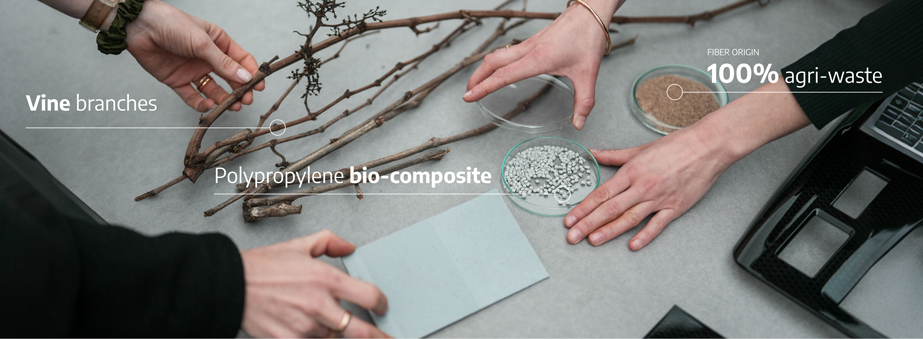
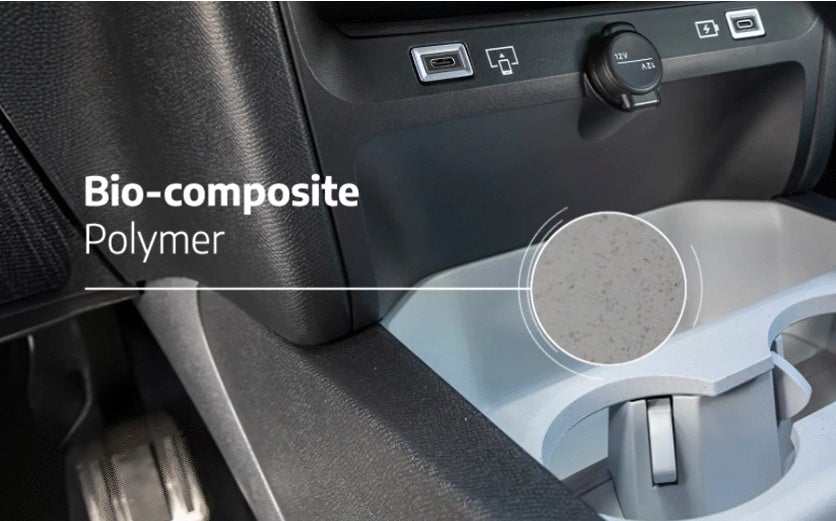
Stellantis is turning waste organic material from vineyards into material that can be utilised in car interiors – specifically inside the Citroën C5 Aircross.
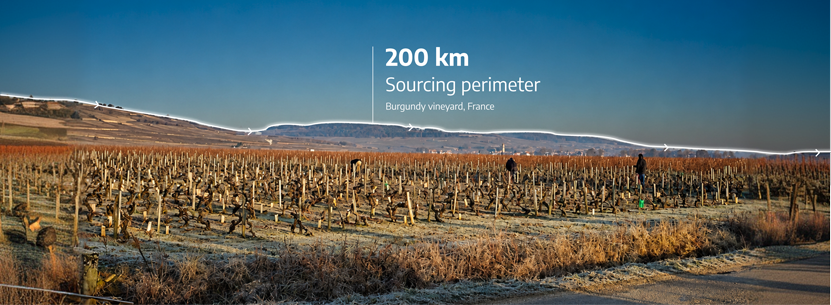
The company points out that for decades, vine branches left behind after vineyard pruning were considered waste and eventually burned or discarded. However, some of those branches – from France’s Burgundy winer region - are now beginning a completely different journey inside the Citroën C5 Aircross, contributing to an increase in the use of renewable resources.
Stellantis says the approach supports Stellantis’ voluntary target of reaching 35% green materials in its new vehicles by 2030.
Natural fibres from the vines are integrated into the interior of the Citroën C5 Aircross ‘via a bio-sourced material that drivers and passengers can see, touch and experience every day’.
Throughout the ‘vineyard to vehicle’ project, the Stellantis team created a local ecosystem that it says ‘simplifies logistics, strengthens industrial coordination, and reinforces the connection between local resources and automotive suppliers’.
The company said the project reflects Stellantis’ broader culture of ‘intrapreneurship’, which encourages experimentation, cross-functional collaboration, and the exploration of ‘unconventional solutions capable of redefining how future vehicles are designed and experienced’.
Stellantis says bringing vine branches into a vehicle interior required teams to rethink traditional processes, challenge industrial norms, and build entirely new connections between agricultural sustainability and mobility.
Working alongside a start-up specialised in vineyard fibres, engineers explored how agricultural waste, traditionally burned after pruning, could be integrated into a vehicle while still meeting the automotive industry’s strict technical and safety requirements. The project became a collaborative dialogue between design and engineering teams, combining technical expertise with creative experimentation to make sustainability both visible and emotionally engaging.
Developing a new composite material based on natural fibres presented major challenges in durability, appearance, and production consistency, but the project “reflected Stellantis’ culture of experimentation and innovation”.
Unlike conventional interior materials designed for perfect uniformity, each component has subtle variations. These are created during the mechanical grinding process – a method that breaks down vine branches into very fine natural fibres known as micronized fibres.