Sales of imported light passenger vehicles in South Korea increased by 14% to 30,976 units in July 2026, up from 27,090 units in the same month last year, according to registration data released by the Korea Automobile Importers & Distributors Association (KAIDA).
Sales of imported light passenger vehicles in the country have risen strongly this year, driven by strong local demand for battery electric vehicles (BEVs) and hybrid electric vehicles (HEVs). In the first seven months of 2026, import sales surged by 30% to 215,008 units, up from 165,210 units in the same period last year, strongly outperforming sales by the country’s five main automakers, which reported a 3.5% drop in combined domestic sales to 768,552 units year-to-date.
Tesla has been behind most of the import segment’s strong growth this year, with deliveries surging by 150% to 66,376 units, to become the leading import brand with a 31% share of segment sales. The US automaker came under fire locally last month for hiking its prices just after it qualified for new BEV incentives introduced by the government at the beginning of July.
A new points-based BEV subsidy evaluation system has been introduced, replacing the previous system based mainly on vehicle range- and efficiency. The new system takes into account vehicle manufacturers’ overall technological capabilities, contributions to the country’s supply chain, compliance with domestic environmental regulations, safety management, and minimum standards for after-sales services.
BMW slipped into second place after its sales rose by 2% to 45,683 units year in the seven-month period, while its Mini subsidiary saw its sales rise by 14% to 4,723 units. Together, the two brands accounted for just over 23% of total import sales. BMW recently introduced its new battery-powered iX3 SUV, based on the company’s new ‘Neue Klasse’ platform.
Mercedes-Benz’s sales fell by 9% to 33,735 units year-to-date, despite the launch of a new product offensive earlier in the year. The company, which led the South Korean import segment just a few years ago, plans to bring in ten new and facelifted models in 2026 as it looks to strengthen its electrified vehicle line-up.
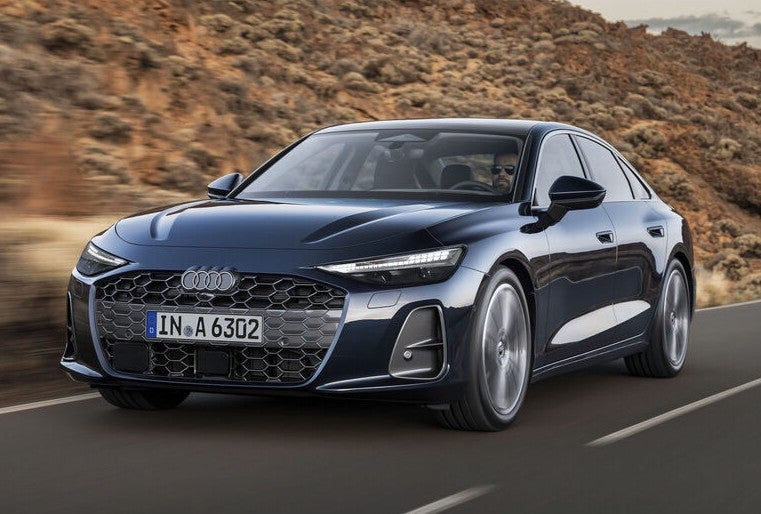
Volkswagen Group reported an almost 2% sales rise to 16,878 units year-to-date, underpinned by strong demand for Audi models. Porsche, which saw its sales decline by 27% to 4,957 units year-to-date, is expanding its sales network and had plans to launch more than ten new models in the country this year. Toyota’s sales surge by 24% to 6,527 units, while its Lexus division reported a 4% increase to 9,293 units.
BYD has made strong inroads into the South Korean market in the last year, with sales jumping ninefold to 14,521 units in the first seven months of 2026. The company failed to qualify for BEV incentives under the government’s new points-based system, and has indicated that it will focus more of its efforts on the plug-in hybrid segment in its pursuit of further growth, starting with the launch of the Sealion 6 Dual Mode intelligent (DM-i) plug-in hybrid model.