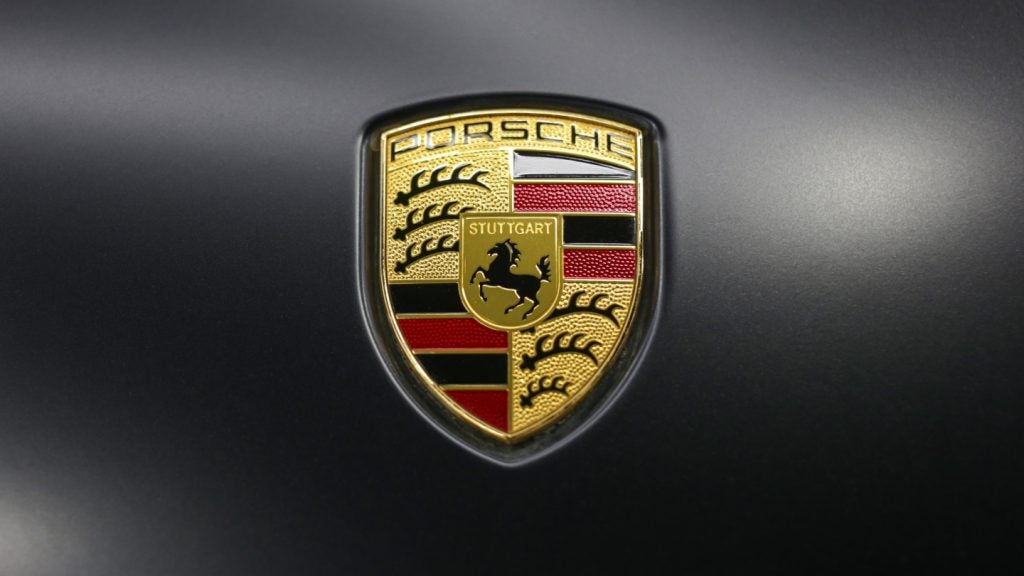
Porsche plans to reduce spending and introduce models positioned above the 911 as new CEO Michael Leiters seeks to improve profitability after a sharp earnings decline.
The move comes as the car maker faces multiple pressures, including tariffs, weakening demand in China and the cost of revising earlier plans for rapid electrification.
Leiters is expected to accelerate cost-cutting efforts while placing greater focus on combustion-engine vehicles as he prepares to present his first earnings update to investors.
However, broader geopolitical risks and global trade tensions, including possible economic disruption linked to conflict in the Middle East, may complicate the company’s recovery.
Porsche said further job reductions will follow after profits were largely eroded by a significant writedown connected to its updated electric vehicle strategy.
In a letter to shareholders, Leiters said: “We will streamline our management structure, reduce hierarchies and cut back on bureaucracy”.
The carmaker has also struggled with a prolonged downturn in China.
At the same time, tariffs introduced by US President Donald Trump have weighed on its performance in North America.
Porsche imports all vehicles sold in the US, its largest market, and said tariffs resulted in costs of around €700m ($809.2m) in 2025.
Total deliveries declined 10% to 279,000 vehicles during the year, while revenue fell 9.5% to €36.3bn.
Operating profit dropped 92.7% to €413m from €5.6bn a year earlier.
The fall in earnings was partly driven by around €3.9bn in extraordinary charges.
These included approximately €2.4bn linked to adjustments in product strategy and corporate restructuring, €700m in additional battery-related costs and another €700m tied to US tariffs.
The challenging year has also affected parent company Volkswagen, which earlier warned it may need to implement deeper workforce reductions.
Volkswagen said it plans to cut 50,000 jobs by the end of the decade as it grapples with weakening sales in China and North America.
The company also cautioned that the 2026 financial year is likely to remain difficult, particularly in China where the luxury segment is under pressure and competition is intense, especially in fully electric vehicles.
Porsche added that geopolitical uncertainty and US tariff policies are expected to continue affecting the market environment.