US road safety regulator has begun rulemaking that would drop manual braking control requirements for vehicles built only for driverless operation.
The National Highway Traffic Safety Administration (NHTSA) has proposed revisions to the Federal Motor Vehicle Safety Standards (FMVSS).
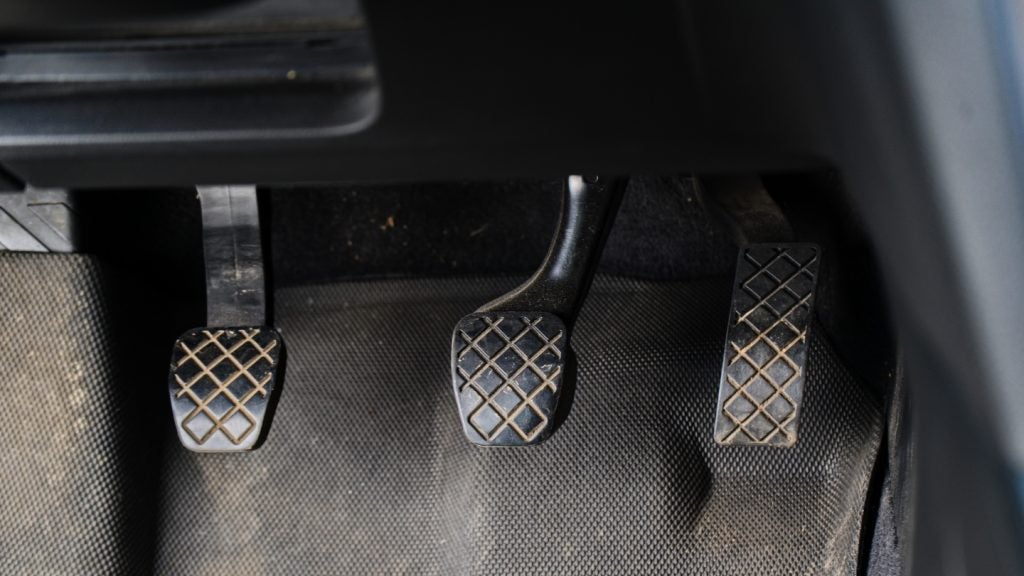
The changes would remove requirements for hand- and foot-operated brake controls in vehicles built solely to operate using an automated driving system (ADS).
Under the proposal, vehicles that still include manual driving controls would remain subject to the current braking rules.
Requirements covering stopping distances would stay in place for all applicable vehicle categories, although compliance would be measured using updated test procedures.
NHTSA said it is also developing safety performance rules for ADS vehicles in real-world operating environments.
The agency added that it would continue to use its enforcement authority in cases involving defective automated systems and would maintain oversight of recalls when required.
The proposed braking changes follow earlier FMVSS revisions related to transmission shifting, windscreen defrosting and wiping systems, and tyre placards.
According to NHTSA, once the updated standards are in force, manufacturers may no longer have to apply for individual vehicle exemptions.
Broader steps under the AVF include simpler exemption processes for demonstration projects and commercial fleet operators, as well as the introduction of the first federal autonomous vehicle performance standards and safety guidance since 2017.
The framework also provides for a National AV Safety Forum that brings together technology developers and automotive safety stakeholders.
NHTSA administrator Jonathan Morrison said: “If we want America to lead the way, we have to reimagine our regulatory framework. That’s why under Secretary Sean Duffy’s AV Framework, NHTSA is tearing down pointless barriers to innovative designs while strengthening the fundamental safety requirements that matter and holding AV developers accountable for safe performance.
“This approach will ultimately reduce roadway crashes, prevent fatalities, and increase mobility.”