Japan’s domestic new vehicle market continued to grow in July 2026, rising by 6.8% year-on-year to 417,163 units following a 3.6% decline to 390,512 units a year earlier, according to registration data released by the Japan Automobile Manufacturers Association (JAMA). Sales of passenger vehicles rose by 7.7% to 351,462 units, while truck sales increased by 1.4% to 64,481 units and sales of buses and coaches almost doubled to 1,220 units.
Japan’s vehicle market in the last three months has been supported by the discontinuation of the prefectural Environmental Performance Tax at the end of March and the fulfilment of order backlogs by vehicle manufacturers. Consumer sentiment has also begun to improve, reflecting household income growth, which has offset recent interest rate hikes by the central bank and other rising cost-of-living pressures.
In the first seven months of the year, vehicle sales expanded by 2.5% to 2,804,353 units, after rising by 8% to 2,735,973 units a year earlier, with passenger vehicle sales increasing by 1.4% to 2,347,578 units, while truck sales rose by 8.6% to 449,470 units, led by a 15% surge in light truck sales to 136,620 units. Sales of medium and large buses and coaches increased by 17% to 7,305 units in this period.
Toyota led the overall market higher year-to-date with a 6.4% sales rise to 905,868 units, driven by strong sales of commercial vehicles, while its Daihatsu subsidiary saw its sales rise by 6% to 324,233 units. Suzuki’s sales declined by 1% to 433,205 units, while Honda’s sales were down by almost 3% at 382,414 units and Nissan’s sales were slightly lower at 253,165 units.
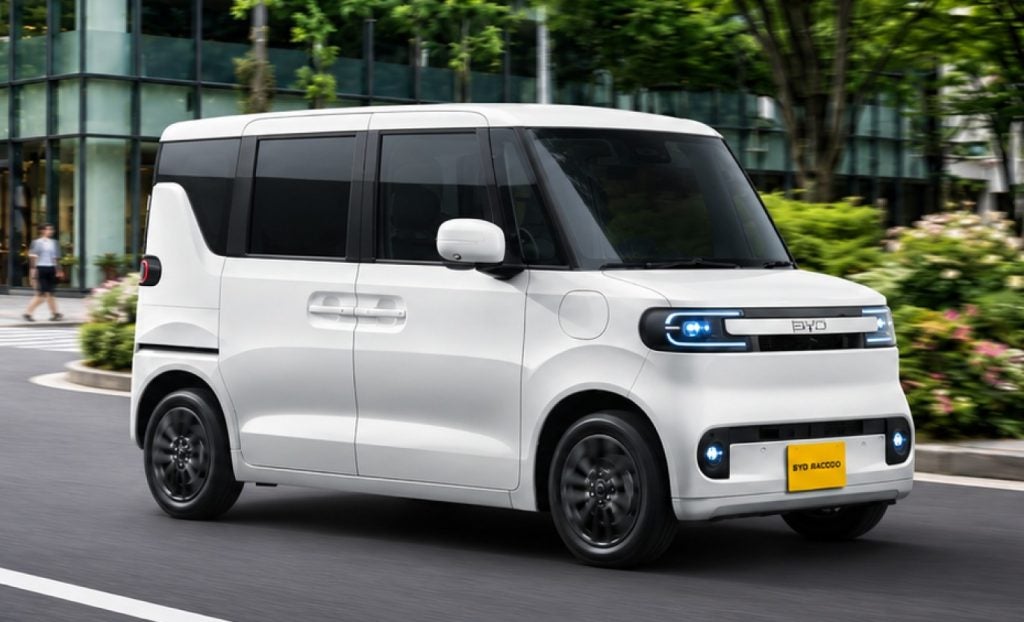
Overseas brands, comprising mostly German brands such as Mercedes-Benz, BMW-Mini, Audi, and Volkswagen, and increasingly Chinese brands such as BYD, accounted for around 5% of total vehicle sales in Japan. Combined sales fell by 4.3% to 135,204 units in the first seven months of the year.
GlobalData expects light vehicle sales in the country to be largely unchanged at 4.52 million units in 2026, after sales rose by 3% in 2025, followed by a 4% decline to 4.34 million units in 2027.