Japan’s domestic new vehicle market continued to grow in August 2026, with new registrations rising by 2.0% year-on-year to 307,374 units after an 8.3% decline to 301,219 units a year earlier, according to data released by the Japan Automobile Manufacturers Association (JAMA). Sales of passenger vehicles rose by 1.4% to 252,908 units, while truck sales increased by 3.9% to 53,232 units and sales of buses and coaches surged by over 92% to 1,234 units.
Japan’s vehicle market in the last four months has been supported by the discontinuation of the prefectural Environmental Performance Tax at the end of March and the fulfilment of order backlogs by vehicle manufacturers. Consumer sentiment has also begun to improve, reflecting household income growth, which has offset recent interest rate hikes by the central bank and other rising cost-of-living pressures.
In the first eight months of the year, vehicle sales increased by 2.5% to 3,111,737 units, after rising by 6% to 3,037,192 units a year earlier, with passenger vehicle sales increasing by 1.4% to 2,600,486 units, while truck sales were up by 8.0% to 502,712 units, led by a 15% rise in light truck sales to 153,973 units. Sales of medium and large buses and coaches surged by 24% to 8,539 units in this period.
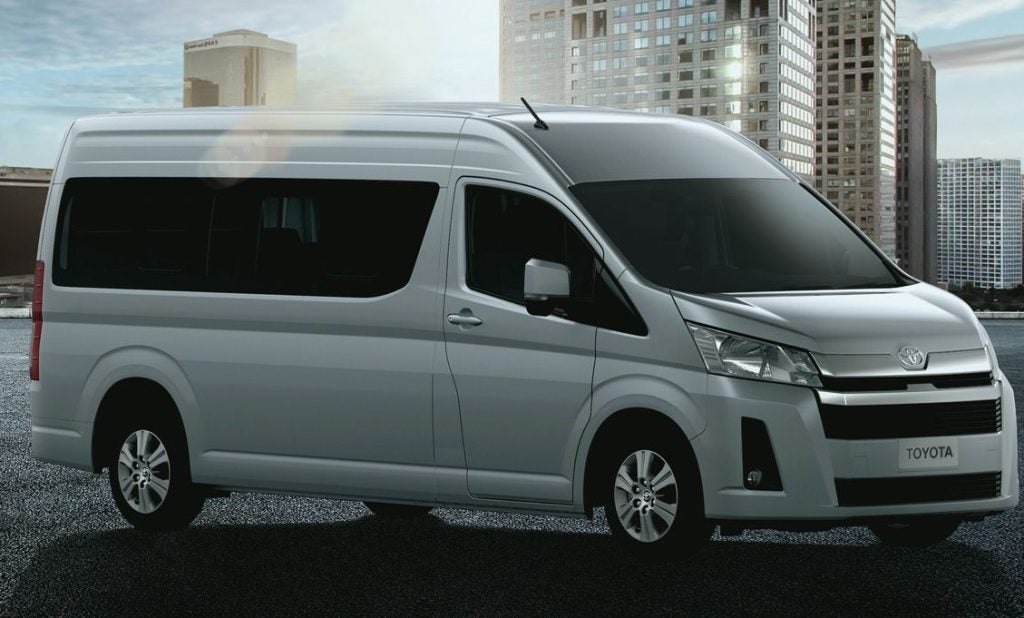
Toyota led the overall market higher year-to-date with a 6.8% sales rise to 1,005,519 units, driven by strong sales of commercial vehicles, while its Daihatsu subsidiary saw its sales rise by 3.6% to 353,878 units. Suzuki’s sales declined by 1% to 482,021 units, while Honda’s sales were down by almost 2% to 421,267 units and Nissan’s sales were slightly higher at 280,987 units.
Overseas brands, comprising mostly German brands such as Mercedes-Benz, BMW-Mini, Audi, and Volkswagen, and increasingly Chinese brands such as BYD, accounted for almost 5% of total vehicle sales in Japan. Combined sales fell by 3.2% to 152,324 units in the first eight months of the year.
GlobalData expects light vehicle sales in the country to be slightly lower at 4.48 million units in 2026, after sales rose by 3% in 2025, followed by a 4% decline to 4.34 million units in 2027.