Japan’s new vehicle market declined by 1.8% to 490,640 units in March 2026, from strong year-earlier sales of 499,746 units, according to registration data released by the Japan Automobile Manufacturers Association.
Japan’s vehicle market remains sluggish, amid slow economic growth, reflecting weak consumer sentiment following recent interest rate hikes and other rising cost-of-living pressures. GDP growth slowed to 0.2% year-on-year in the fourth quarter of 2025, reflecting mainly a slowdown in private consumption growth. The vehicle market is also up against strong year-earlier data, when Daihatsu’s production rebounded from earlier cuts following its safety test rigging scandal.
In the first three months of the year, vehicle sales declined by 2.5% to 1,253,357 units after rising by almost 14% to 1,285,352 a year earlier, with passenger vehicle sales declining by 5.4% to 1,043,938 units, while truck sales rose by over 16% to 206,403 units. Sales of medium and large buses and coaches declined by almost 16% to 3,016 units following strong growth in previous years.
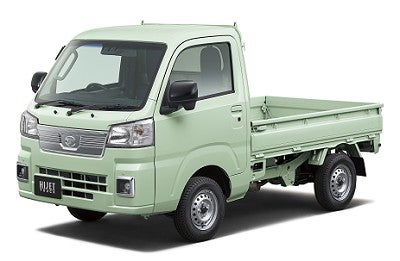
Toyota led the market lower year-to-date with a 6% sales decline to 368,900 units, reflecting mainly a 10% fall in passenger car sales to 321,445 units, while its Daihatsu subsidiary continued to recover from earlier production stoppages, with sales rising by almost 18% to 156,787 units, driven by a sharp rise in truck sales. Suzuki’s sales declined by 2% to 197,094 units in this period, while Honda’s sales fell by 5.5% to 173,864 units and Nissan’s sales were down by 3.2% to 129,045 units.
Overseas brands account for around 4% of total vehicle sales in Japan, with sales falling by 8% to 57,968 units year-to-date - comprising mostly German brands such as Mercedes-Benz, BMW-Mini, Audi, and Volkswagen.
GlobalData expects light vehicle sales in the country to rise by 1.9% to 4.6 million units in 2026, after sales rose by 3.1% to 4.52 million in 2025, with a further 1.8% increase to 4.69 million units in 2027.