Japan’s new vehicle market declined by 2.3% year-on-year to 367,748 units in January 2026, following a 12% rise to 376,255 in the same month last year, according to registration data released by the Japan Automobile Manufacturers Association.
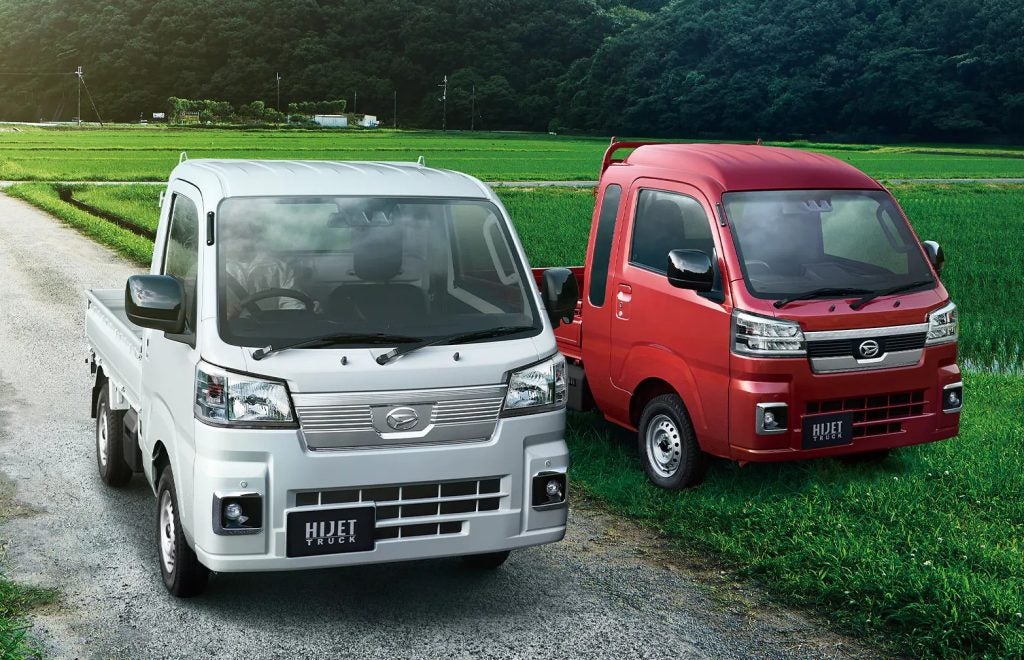
Sales of passenger vehicles declined by 6.2% to 307,838 units last month, with sales of larger (standard) models dropping by 12% to 130,318 units, while sales of trucks rose by 25% to 59,214 units, driven by a 50% surge in sales of light trucks to 17,571 units and a 21% rise in mini-truck sales to 31,125 units. Sales of medium and large buses and coaches were unchanged at 696 units.
Toyota led the market lower in January with a 3.5% decline to 116,007 units, reflecting a 10% fall in passenger vehicle sales which was partly offset by a sharp rise in truck and bus sales. Its Daihatsu subsidiary continued to recover from the previous year’s production stoppages, with sales rising by almost 11% to 45,251 units - driven by a sharp rise in mini-truck sales. Suzuki’s sales were down slightly to 60,863 units, while Honda’s sales fell by less than 2% to 49,411 units. Nissan continued to underperform, with sales falling by over 11% to 35,296 units.
Overseas brands accounted for less than 4% of total vehicle sales in Japan last month, led by German automakers such as Mercedes-Benz, BMW-Mini, Audi, and Volkswagen.
Japan’s market remains sluggish, with Japanese consumers coming under increased pressure from rising interest rates. The Bank of Japan raised its key policy rate again in December to a decades-high of 0.75%, following a long period of negative interest rates. GlobalData is forecasting a 4.6% rise in light vehicle sales to 4.74 million units in the country in 2026, followed by a 1% decline to 4.69 million in 2027.