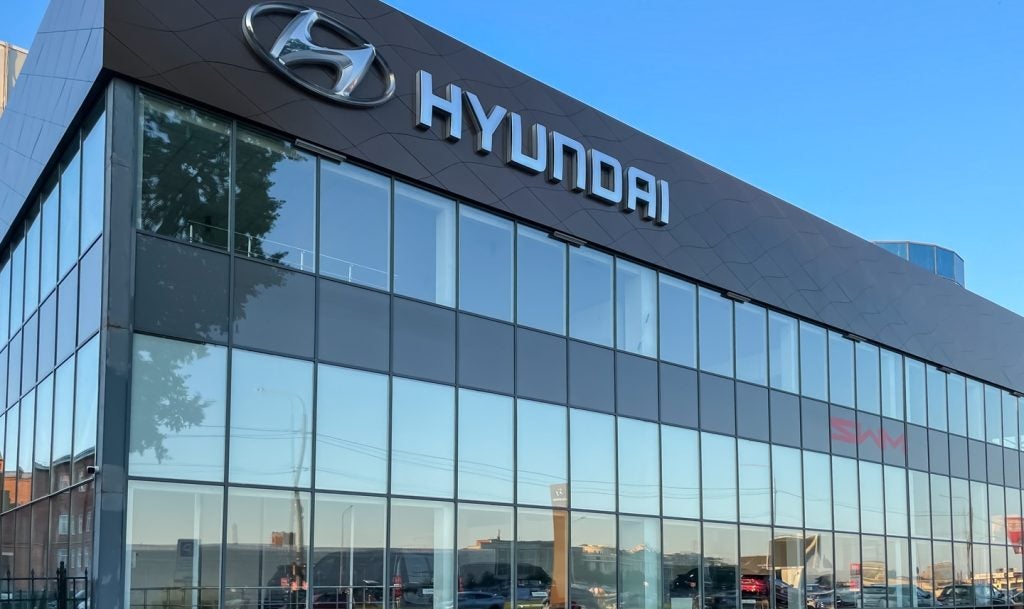
South Korean automaker Hyundai Motor’s workers are stepping up their strike action this week after their union, which is affiliated with the Korean Metal Workers’ Union (KMWU), failed to reach a wage agreement with the automaker following a series of lengthy negotiations earlier this year.
Workers held a three-day partial strike last week (from 13 to 15 July), downing tools for two hours during each morning and evening shift, potentially leading to the loss of production of up to 5,000 vehicles, worth some KRW 200 billion.
Workers have started a second week of partial strikes this week, also lasting three days, between 20 and 22 July, with the stoppages doubled to four hours per shift.
Hyundai’s management is reported to have offered production workers a KRW 89,000 (US$ 67) increase in their basic monthly salary, an annual performance bonus equivalent to up to 350% of their monthly salary, an additional bonus payment of KRW 10 million, and 15 shares in the company for each worker.
The labour union rejected the offer, demanding a basic monthly salary increase of KRW 149,600 (US$ 100), bonus payments equivalent to 800% of salary, and job security guarantees in relation to the company’s plans to deploy humanoid robots in its plants. It also demanded that the retirement age be raised from 60 to 65 years.