GM Korea Company, the South Korean subsidiary of US automaker General Motors, said it aims to increase production by 8.5% to 500,000 vehicles this year, up from 461,000 units in 2025, to meet growing export demand, particularly from the US.
The statement by the company came as more welcome news, following concerns last year that General Motors may be considering discontinuing vehicle production in the country following the introduction last April of a 25% import tariff by the US government, which was later reduced to 15% after the South Korean government committed to investing US$ 350 billion in the US.
Last year, GM Korea also announced that it planned to sell off its remaining in-house aftermarket service centres in the country by February 2026.
GM Korea relies heavily of on exports to the US. Over 95% of the company’s production last year was exported, with shipments to the US understood to have accounted for over 85% of total output.
GM Korea sold just 15,100 vehicles in South Korea last year, including vehicles imported from the US, a 39% decline compared with 2024 volumes. The company launched the imported GMC Acadia SUV and the Canyon pickup truck locally last month, and plans to introduce the all-electric Hummer SUV in the first half of this year to help lift domestic sales.
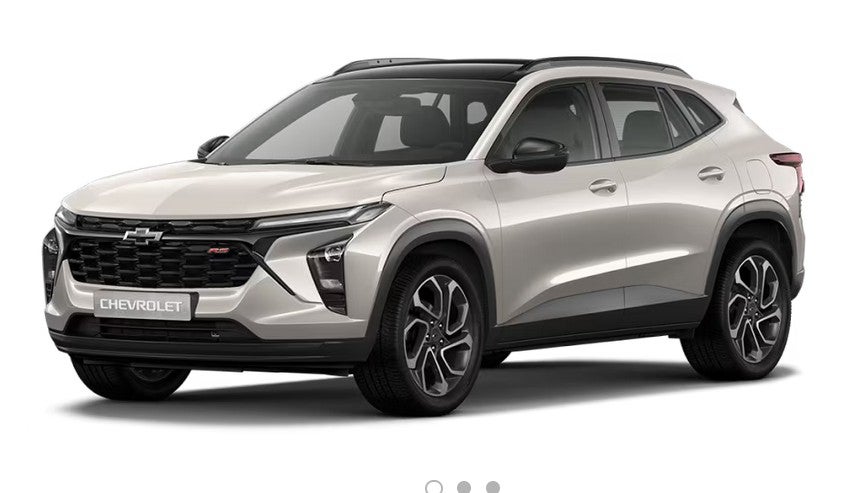
A GM Korea spokesperson confirmed that parent company General Motors “has requested GM Korea to operate the two plants at full capacity, to produce 500,000 vehicles this year." The Trax and Trailblazer models are produced at two plants in South Korea, in Incheon and in Changwon.
General Motors’ CEO, Mary Barra, recently stated that overseas demand for vehicles produced in South Korea remains strong and that they were contributing positively to the company's earnings. In South Korea, Trax prices start at US$ 14,700.
GM Korea announced at its ‘2026 Business Strategy Conference’ in December that General Motors plans to invest US$ 300 million to strengthen its manufacturing operations in South Korea, including retooling assembly lines to accommodate new generation models, continuing production beyond 2028.