Six European Union member states have called on the European Commission to soften the bloc’s planned effective prohibition on new internal combustion engine cars from 2035, according to a letter cited by Reuters.
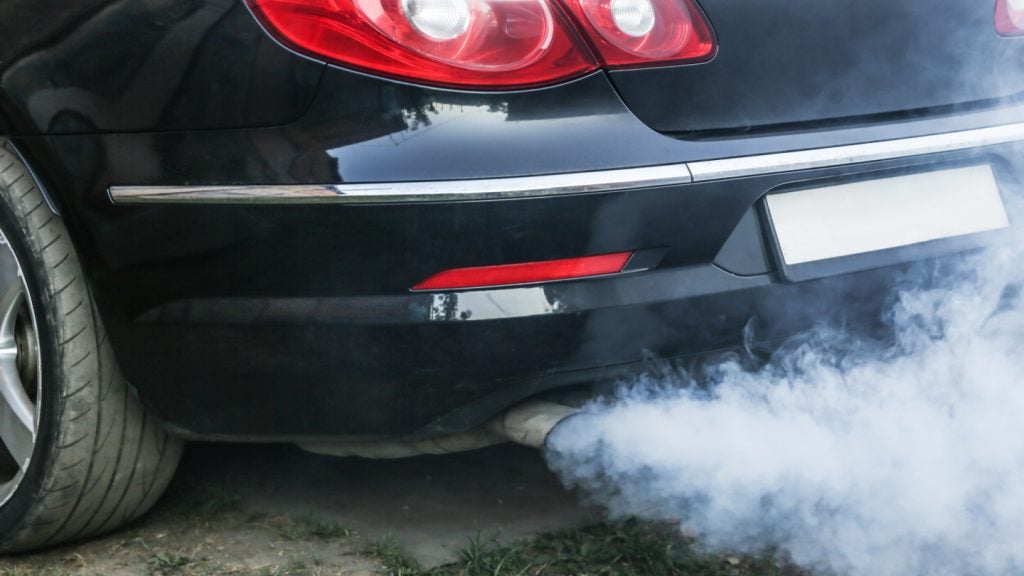
In a joint appeal sent ahead of a forthcoming EU automotive policy package, the prime ministers of Bulgaria, the Czech Republic, Hungary, Italy, Poland and Slovakia pressed for more flexibility in the rules that would phase out petrol and diesel engines.
The letter, seen by Reuters, asks the Commission to permit the continued sale of hybrid models and vehicles using “other, existing or future, technologies ‘that could contribute to the goal of reducing emissions’” beyond 2035.
The six governments also argue that low‑carbon and renewable fuels should be factored into the EU’s strategy to cut emissions from transport.
The intervention comes as the European Commission prepares to unveil a set of measures aimed at supporting the region’s car industry, including possible revisions to the 2035 rules on internal combustion engines.
The package is scheduled for release on 10 December, though that timing may slip.
Recently, German chancellor Friedrich Merz urged the European Commission to exclude plug-in hybrids and “highly efficient” combustion engines from the ban.
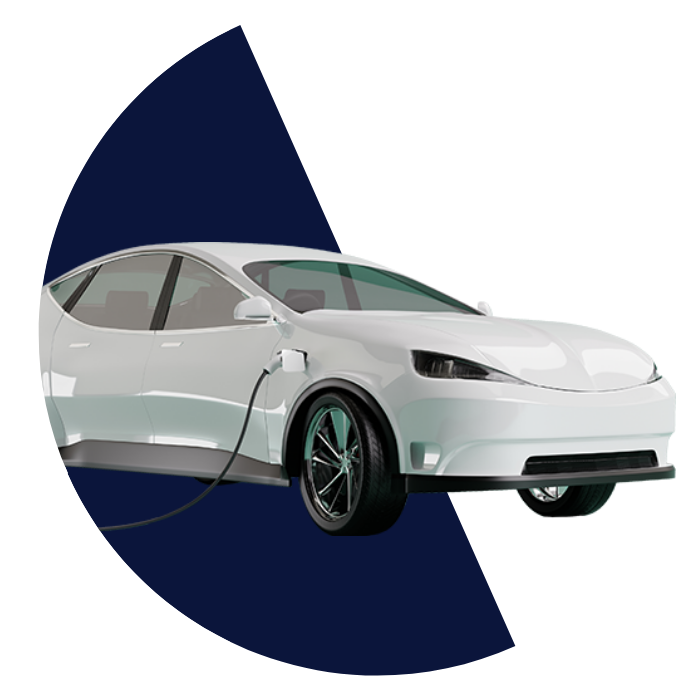
EU governments agreed in March 2023 that all new cars sold from 2035 must be zero-emission, effectively steering the market towards fully electric vehicles.
At the time, expectations for battery electric vehicle uptake were strong.
Since then, manufacturers’ electrification plans have run into weaker-than-anticipated consumer demand and mounting pressure from Chinese competitors, prompting some member states to push for a broader technological approach.
“We can and we must pursue our climate goal in an effective way, while not killing our competitiveness in the meanwhile since there is nothing green in an industrial desert,” the six prime ministers wrote.