A new European Union regulation on end-of-life vehicles has entered into force, setting mandatory recycled plastic targets for new cars sold in the bloc.
Under the rules, carmakers must ensure that new vehicles contain at least 15% recycled plastic from 2032. That figure will rise to 25% from 2036.
The End-of-Life Vehicles (ELV) Regulation took effect today, 13 August 2026.
It is the first EU framework to set binding quotas for recycled plastic use in the automotive sector.
The regulation also says the European Commission will set recycled content targets for steel and aluminium from 2033.
The aim is to increase the use of secondary raw materials and reduce the bloc’s reliance on imported virgin resources.
European Commission executive vice-president for prosperity and industrial strategy Stéphane Séjourné said: “The End-of-Life Vehicles Regulation is not just about waste, it is about resilience and Europe’s industrial future. It helps cut our dependencies on external suppliers, strengthens Europe’s economic security and keeps strategic resources within the EU.”
The new framework also includes measures to make vehicles easier to dismantle at the end of their life.
Manufacturers must provide clear instructions on how parts can be removed and replaced during a vehicle’s use and when it is dismantled. The goal is to make recovery, reuse and recycling easier.
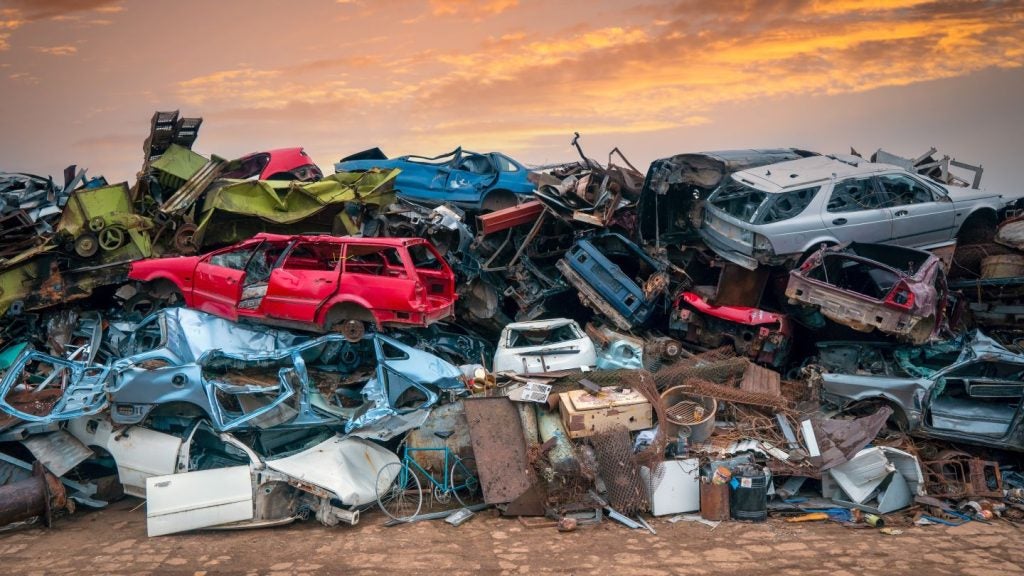
Every year, between 10 million and 12 million vehicles in Europe reach the end of their life and become waste. The EU considers these vehicles a major source of materials such as steel, aluminium, copper and plastic, and wants a larger share recovered and returned to the European economy.
The regulation also tightens rules on the collection and traceability of end-of-life vehicles.
It sets clearer criteria to distinguish used vehicles from end-of-life vehicles, while also strengthening enforcement across member states.
Further measures are aimed at increasing the recovery of materials including aluminium, copper and rare earth elements from scrapped vehicles for reuse and recycling within the EU.
From mid-2031, only roadworthy vehicles may be exported outside the bloc. The measure is intended to prevent end-of-life vehicles from being exported as second-hand cars.
The regulation also strengthens Extended Producer Responsibility, requiring producers to contribute to the cost of collecting and treating vehicles at the end of their life.
It updates the existing EU framework by revising the end-of-life vehicles directive and the type-approval directive covering reusability, recyclability and recoverability.