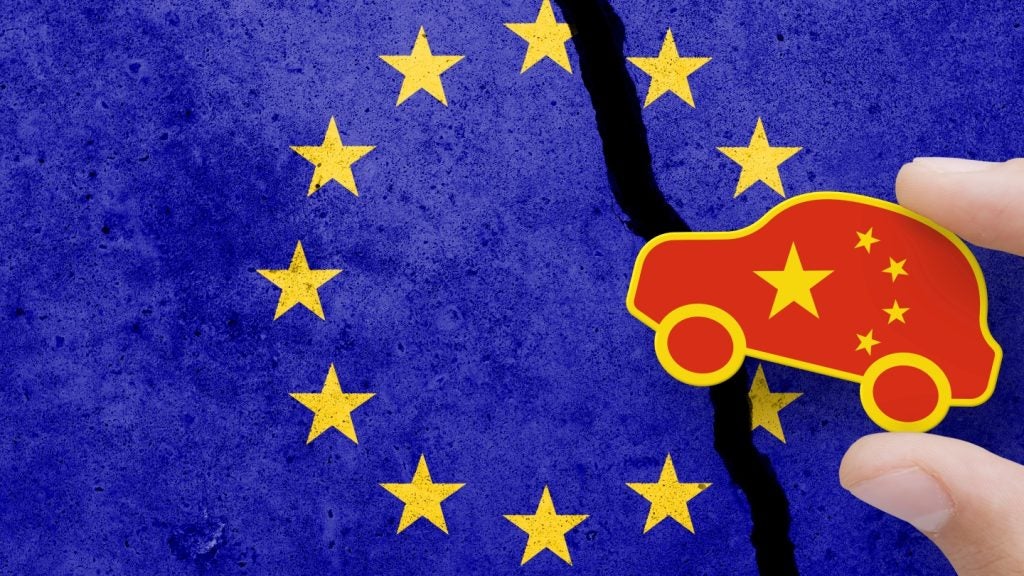
China has rejected an EU request to voluntarily restrict hybrid vehicle exports, prompting Brussels to weigh unilateral safeguard quotas ahead of critical trade talks, reported the Financial Times.
European Trade Commissioner Maroš Šefčovič begins two days of negotiations in Beijing today (8 October 2026) aimed at resolving the standoff.
Brussels had originally proposed that China limit its share of the EU hybrid market to roughly 15%, down from more than one-third today, to avert punitive tariffs.
Following Beijing’s refusal to adopt voluntary curbs, the European Commission is weighing temporary safeguard tariffs that do not require proof of unfair trade practices, according to two diplomats cited by the publication.
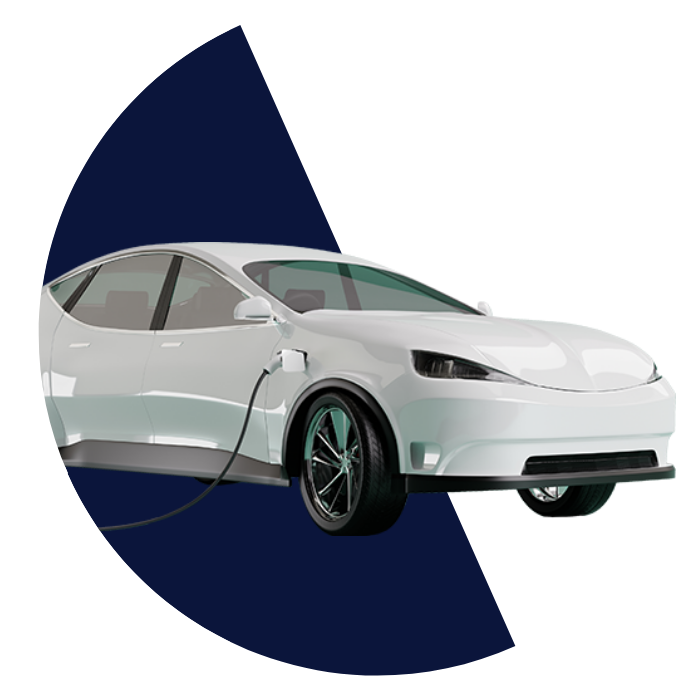
Under the proposal, a designated quota of Chinese hybrid vehicles would enter the EU under standard terms, while shipments exceeding that ceiling would incur steep supplementary tariffs.
Because World Trade Organization rules require safeguard measures to apply non-discriminatorily, any import restrictions would also affect external suppliers including the UK, South Korea, and Japan, which would likely receive quotas based on historic export volumes.
The standoff over hybrids follows the EU's introduction of countervailing duties of up to 35% on Chinese battery-electric vehicles, levied on top of the standard 10% tariff.
Beijing responded with anti-dumping measures against European cognac, pork, and dairy products.
European officials view resolving the automotive dispute as vital to arresting a broader trade conflict, describing the bloc's €1bn ($1.15bn) daily trade deficit with China as unsustainable.
France and Germany circulated a joint paper urging the Commission to act decisively against Chinese competition, warning of a severe shock across the automotive, chemicals, aerospace, machine tools, and pharmaceuticals sectors.
The Beijing talks will also address stalled negotiations over European exports to China, European access to Chinese critical minerals and rare earth magnets, and Beijing's demands for the EU to lift export curbs on semiconductor equipment and sanctions on Chinese firms linked to the war in Ukraine.