China has introduced two new electric vehicle (EV) safety regulations nationwide at the beginning of July, setting stricter safeguards for the country’s new energy vehicle (NEV) industry while also helping to shape global EV safety standards and alleviate consumer concerns over battery safety. The new regulations replace standards introduced in 2020.
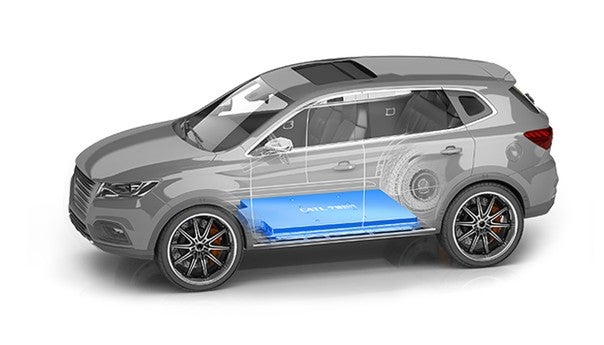
One of the new regulations, called the Safety Requirements for Traction Batteries of Electric Vehicles, requires traction batteries to pass new thermal propagation tests to ensure that they do not catch fire or explode during a thermal runaway event. The batteries must also undergo new underbody vehicle impact tests to ensure they are sufficiently protected in the event of a collision, reflecting the growing use of integrated cell-to-body vehicle chassis designs.
EV batteries must also pass a new durability safety assessment, which requires batteries to undergo 300 fast-charging cycles before being subjected to a short -circuit test.
The second regulation, called the Safety Requirements for Electric Vehicles, requires EVs to be equipped with a standalone high-voltage cut-off system, fitted with a cut-off switch that can be operated manually by the driver of passengers with a single tap or long press. The device should ensure that the vehicle’s high-voltage circuit can be physically disconnected from the battery, unlike previous systems which relied on software-based controls that could fail in the event of a crash.
Global regulators, including those in Europe, Asia, and the Middle East, are considering whether to align their safety regulations with China’s new EV safety standards.