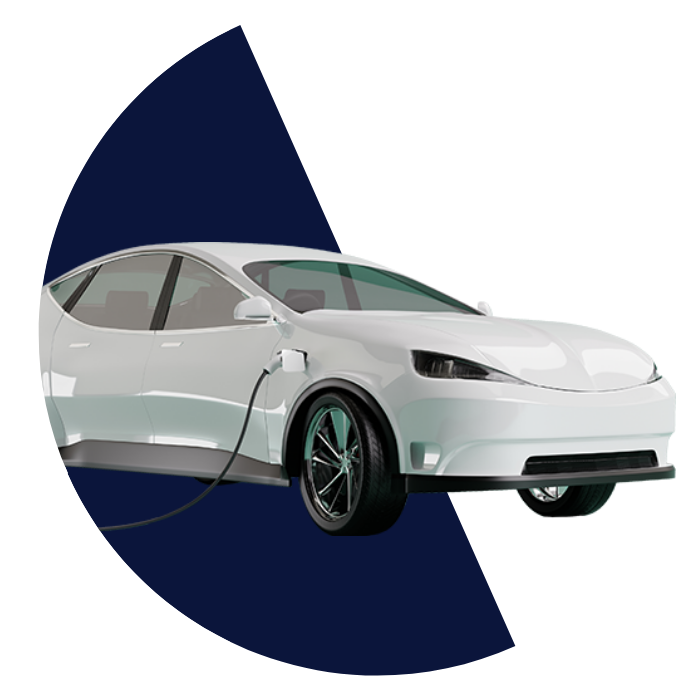

Automotive industry bodies in Europe and the UK are pressing the European Commission to defer stricter electric vehicle rules of origin set out under the Brexit trade deal, reported the Guardian.
The appeal for a further postponement comes amid growing anxiety over Chinese industrial overcapacity and exchange-rate benefits, which sector representatives argue are adding to the competitive strain facing European manufacturers.
Under the EU-UK Trade and Cooperation Agreement, electric vehicles traded without tariffs from 1 January 2027 will need to meet tighter local content rules.
These include a requirement that 55% of a vehicle’s value originate in Europe, while 70% of battery packs and 65% of battery cells must be manufactured in either the EU or the UK.
The latest request to delay implementation follows increasing concern that Chinese producers are benefiting from large-scale manufacturing capacity and favourable currency dynamics, intensifying pressure on carmakers in Europe.
These requirements had already been softened once before.
The original deadline, set for 2024, was extended by three years after Europe’s battery manufacturing base did not expand at the pace policymakers and industry had expected.
When the Brexit trade agreement was struck in 2020, it had initially set a 30% local production target for battery packs and cells as an interim milestone intended to support broader investment in regional battery manufacturing.
However, those earlier ambitions have not been achieved.
Projections referenced in the report indicate that by the time the 2027 deadline takes effect, fewer than one in five batteries will be produced in the EU, well below previous expectations.
Jonathan O'Riordan, European Automobile Manufacturers' Association international trade director, said: “We forecast that 60% of batteries across all segments, from cars to trucks, would be made in Europe by 2027.”
He added that current estimates indicate that “just under 20%” of batteries will be produced in the EU by the deadline.
According to industry participants, the gap stems in part from Europe’s ongoing dependence on China for key raw materials, such as lithium and refined lithium used in battery cell production, alongside the high costs and long lead times involved in building domestic supply networks.
Such projects often take many years to move from the mining stage to the production of battery-grade lithium.
European leaders are due to convene on 18 June, and discussions relating to China are expected to be part of the agenda.