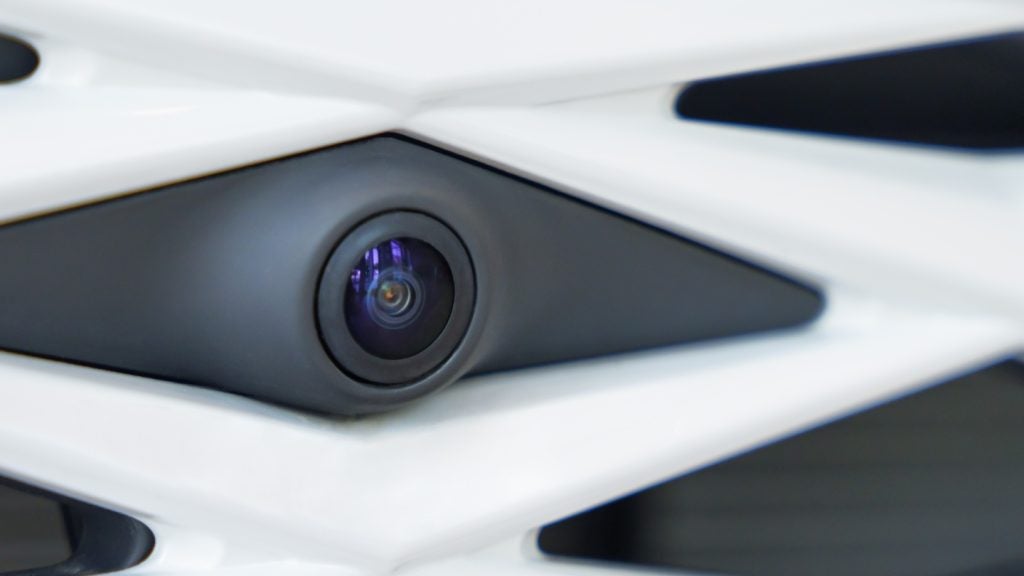
Aumovio India is developing a single-camera advanced driver assistance system (ADAS) aimed at making Level 2 assisted driving more viable for mass-market passenger vehicles in India, reported ET Auto.
The company, formed from Continental’s automotive business spin-off, is seeking to cut system costs by relying on a camera-only setup instead of the multiple radar and camera combinations typically used in premium ADAS packages.
The platform is said to have been tested extensively on Indian roads.
Aumovio India president and CEO Prashanth Doreswamy told ETAuto: “India is a value-driven market. You cannot have multiple radars and multiple cameras for every vehicle. The challenge is to deliver Level 2 assisted driving with a much simpler architecture.”
According to the company, improvements in perception software have made such an approach more practical.
Doreswamy said the latest system can differentiate pedestrians from mannequins outside shops, recognise people in loose garments, detect cargo jutting out from three-wheelers and identify oncoming vehicles in dense traffic.
“We have completed extensive trials on Indian roads. Ultimately, it comes down to how robust your perception is and how low your false detections are,” he said.
Aumovio India is also reshaping its engineering and operating model after becoming independent from Continental in September 2025.
The company says the separation is intended to improve speed, sharpen focus and simplify decision-making as software-led vehicle development cycles shorten.
“The world has become far more complex and unpredictable. The only way to deal with that complexity is through agility. The spin-off gives us greater focus. It enables faster decisions, quicker execution and a different mindset,” said Doreswamy.
He added: “We are questioning every procedure and asking why it should continue to be done in the same way. Is there a faster way? A cheaper way? A better way?”
Among the company’s current productivity efforts is an artificial intelligence-based requirements engineering platform designed for software-defined vehicle development.
The system reviews customer specifications, checks compliance requirements, assesses completeness and flags missing or inconsistent inputs.
“In embedded automotive systems, getting the requirements right is one of the biggest challenges. Missing one requirement can create major downstream issues,” the executive said.
Aumovio says AI is also helping reduce brake development time by 50%.
Its Database Assisted Performance Adjustment and Artificial Intelligence Performance Adjustment tools use historical data and AI models to generate most brake calibration parameters before physical testing starts.
The India team has also developed an Automated Parking Assist system already in production, first introduced with the Tata Harrier EV in June 2025. The Bengaluru centre now supports advanced R&D, embedded software, localisation and autonomous driving technologies.