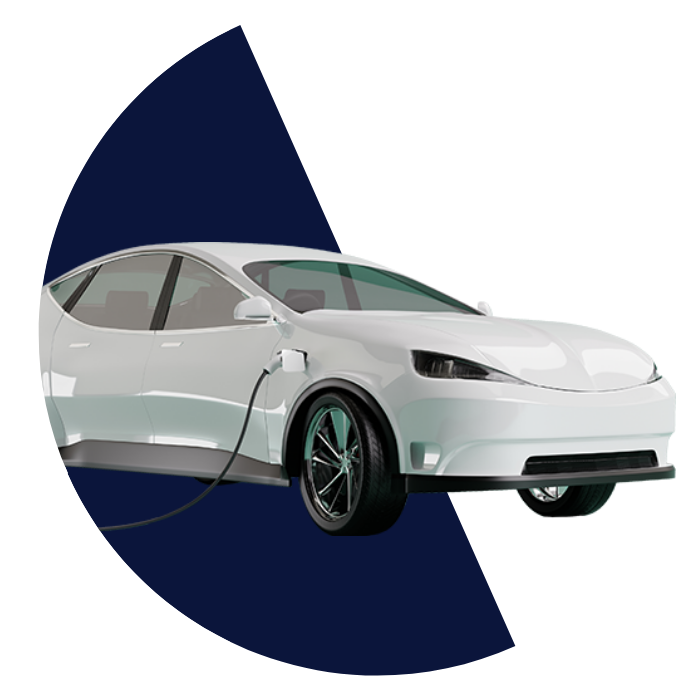

Ampere, Renault’s electric vehicle (EV) and software division, has entered a joint development agreement with Spain’s Basquevolt to speed up the development and validation of lithium metal-based batteries for future EVs.
The collaboration targets meeting Pre-A prototype requirements for EV applications.
In automotive and battery development, “Pre-A prototype” refers to an early validation stage before full vehicle integration and industrialisation.
The Spanish battery tech company’s technology combines a polymer electrolyte with an “advanced” anode architecture.
It is designed to deliver higher energy density than conventional liquid-electrolyte lithium-ion batteries.
This design is expected to support lighter and more compact battery packs with improved thermal stability and faster charging capability.
Ampere vehicle & powertrain engineering vice president Nicolas Racquet said: “Together, we are focused on validating performance in real-world automotive conditions and accelerating the transition to next-gen EV batteries that meet the evolving needs of our customers.”
According to the press statement, after more than a year of joint work, Basquevolt is demonstrating “very high” energy density while lowering overall battery pack costs.
The company’s polymer electrolyte enables a simpler cell manufacturing process, the statement added.
According to estimates, it could reduce capital expenditure per GWh in a conventional gigafactory by about 30% and cut energy consumption per kWh produced by a similar amount.
The agreement is intended to support commercial deployment of lithium metal battery technology in EVs.
Basquevolt CEO Pablo Fernández added: “Entering this next phase with Ampere marks a major milestone in our mission to bring polymer electrolyte technology closer to the mass market.”
Separately, Renault Group recently said it would take full ownership of Flexis SAS, the electric-van joint venture formed in 2024 with Volvo Group and CMA CGM Group.
The automaker also said it has secured long-term financing and industrial support to accelerate development and production of next-generation fully electric light commercial vehicles.
Krishnan Sundararajan has been appointed CEO from 23 February 2026 to lead the project’s next phase.