
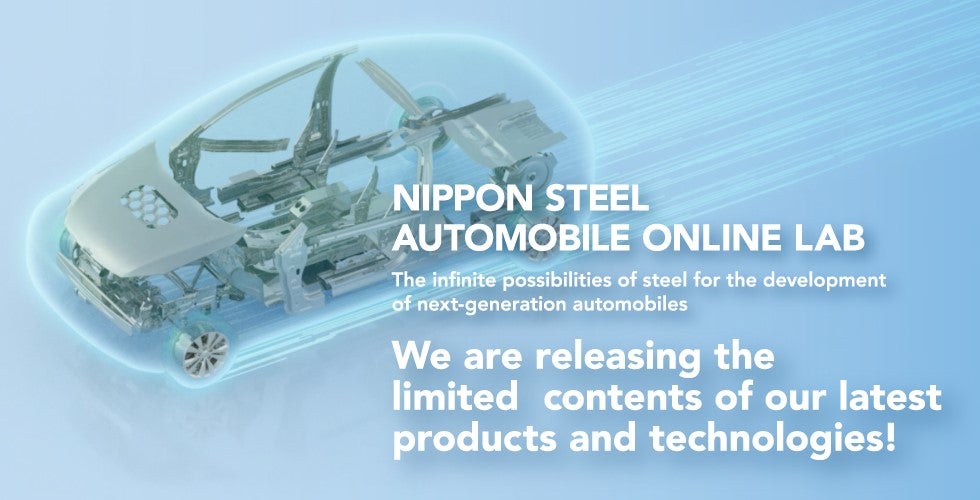
Nippon Steel said it ended production at its historic Kure manufacturing complex in western Japan last month after 72 years of operation, ahead of plans to close the facilities permanently in response to falling domestic demand and rising import competition.

Japan’s largest steelmaker announced early in 2020 it would close the 130 hectare Setouchi Works Kure complex which employed 3,300 people at that time, and ceased operating the plant’s blast furnaces in 2021.
The company said it would dismantle all Kure facilities over a decade in consultation with the local government.
Nippon Steel said it had been forced to reduce production capacity as its customers, including vehicle manufacturers, have shifted production overseas. The company produces automotive components including crankshafts, transmission and suspension components and chassis and body parts. It supplies steel to ship building, railways, construction and heavy machinery makers.
Nippon Steel now has 11 blast furnaces in Japan with capacity of 50m tons of crude steel per year.
The company also revealed plans to cease operations at a blast furnace in Kashima, in Ibaraki Prefecture, by early 2025 which would reduce capacity to 40m tons.
Other Japanese steel makers have also been affected by falling demand including JFE Holdings which last month halted operations at a blast furnace in Kanagawa Prefecture, leaving it with just seven in the country.
Steel producers in Japan are increasingly focused on producing higher margin steel such as low carbon and high tensile and also electrical steel while reducing output of general purpose material.



