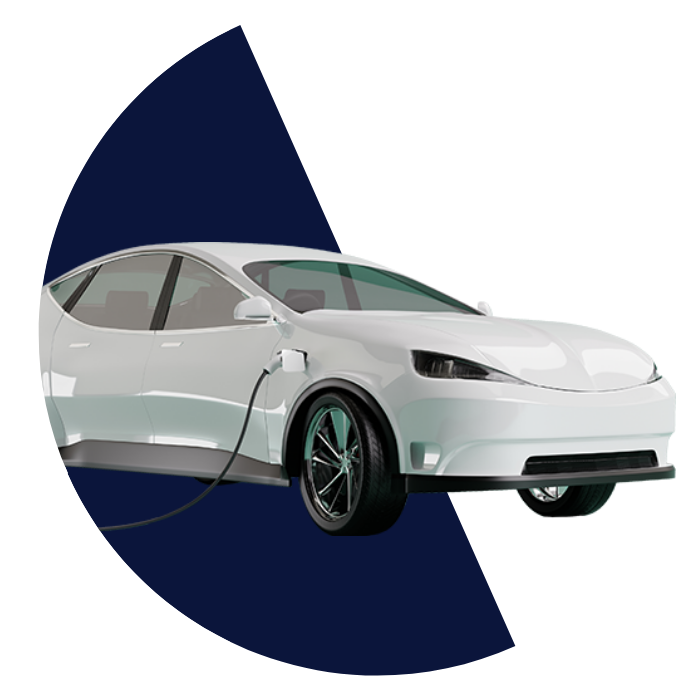
Sales of battery electric vehicles (BEVs) in the ASEAN region’s six largest markets increased by 63% to 291,927 units in the first nine months of 2025, up from 178,714 units in the same period of last year, according to estimates and data from various industry sources. The volumes are mainly based on wholesale data, or deliveries to dealers, except for Singapore and Malaysia which report new registration data.
BEV sales across the region have been lifted this year by generous government incentives, including cuts in sales/excise taxes and import duties, as they look to help speed up the transition to zero-emission vehicles, encouraging newcomers to establish and expand dealer networks and build local production operations. Vehicle manufacturers have offered increasingly attractive packages, discounts, and cashbacks, as more brands entered these markets.
Most of the market gains in the region this year have been made by Chinese automakers, which have made the most of the government incentives on offer by aggressively rolling out and stocking up new dealer networks as well as establishing local assembly operations – often in partnership with local contract assemblers.
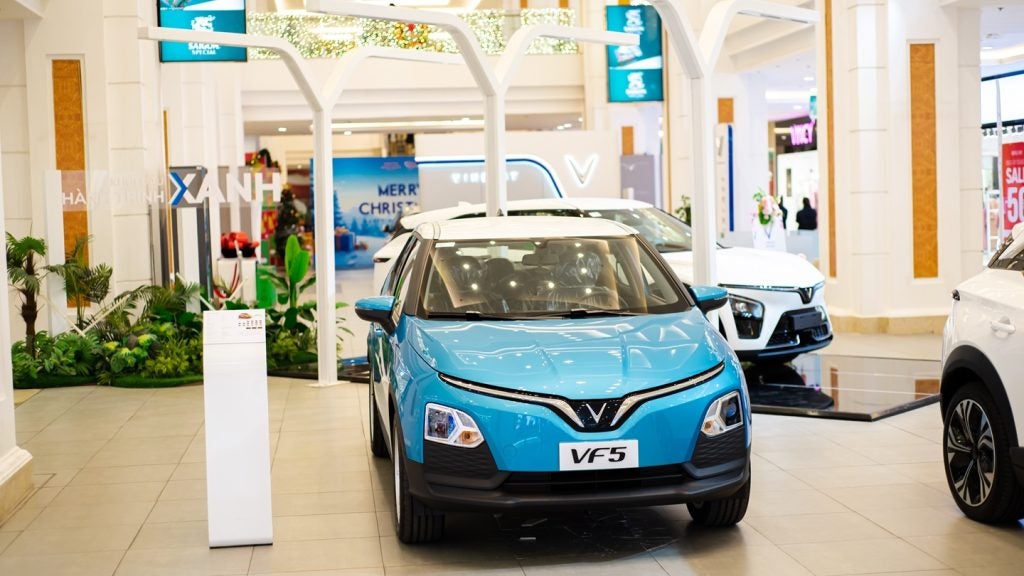
Vietnamese automaker VinFast has also been expanding rapidly in the region, particularly in Vietnam where it sold close to 104,000 BEVs year-to-date, while Tesla has also reported gains in some key markets with shipments from its plant in Shanghai, China. Japanese automakers have been slow to transition to BEVs, with many losing significant market share as a result, while the prominent European brands compete mainly in the premium, low-volume segments.
Many of the incentives that have driven the region’s markets this year are scheduled to be rolled back at the end of 2025, likely resulting in weaker sales next year. Competition in the BEV segment has already increased significantly this year, with the price war beginning to spill over from China, but life will likely get a lot tougher as government incentives are reduced. Many manufacturers, including BYD and VinFast, have rolled out cheaper models to broaden their customer base.

Key markets
The largest BEV market in the region is Vietnam, with an estimated 108,000 BEVs sold in the first nine months of 2025 –accounting for around 31% of total vehicle sales in the country. Local automaker VinFast accounted for most of these, with the company reporting almost 104,000 wholesale deliveries in this period, 138% more than last year, helped by the recent rolled out smaller, more affordable models such as the VF3 and VF5.
There are a few companies that assemble BEVs in small volumes, in partnership with overseas automakers, targeting mainly the commercial vehicle segment, while a handful of Chinese automakers, including BYD, Geely, Chery, and SAIC, and also Tesla, have imported limited BEV volumes ahead of plans to begin local assembly.
The Vietnamese government earlier this year extended the vehicle registration tax exemption for BEVs by two years until the end of February 2027. It also introduced minimum production volumes for vehicle manufacturers looking to benefit from preferential import tariff rates on automotive components.
Thailand is the second largest BEV market in the ASEAN region, with sales rising by 8% to 81,381 units in the first nine months of 2025 following strong growth in the previous two years, with a market penetration rate of 18%. The Thai government offers significant tax incentives under its EV3.5 programme, designed to attract investments in local BEV production, and related components, production machinery and raw materials. Companies investing in local BEV production also enjoy reduced tariffs on vehicle imports and other incentives in the lead up to local production, although these are scheduled to expire at the end of the year.
Chinese brands dominate the BEV segment, with BYD and its Denza brand selling an estimated 29,600 units year-to-date, along with a further 5,000 plug-in hybrids. SAIC-MG sold around 12,100 BEVs in this period, followed by Aion with 9,500 units, Deepal with 5,700 units, and GWM Ora with 5,200 units. Other key Chinese BEV brands in this market include Xpeng, Zeekr, Wuling, Neta and Geely, while Tesla sold around 3,800 BEVs imported from its Shanghai plant in China.
BEV sales in Indonesia almost doubled to 54,593 units in the first nine months of 2025, equivalent to almost 10% of total vehicle sales in the country. Chinese manufacturers have responded to the government’s investment incentives for local production, including sales tax incentives and a quota of duty-free vehicle imports, but these are scheduled to expire at the end of the year.
BYD and its Denza brand accounted for 26,852 sales combined year-to-date, or just under half of total BEV sales, followed by SAIC-GM-Wuling with 8,345 units, Chery/Omoda with 6,615 units, and Aion 5,100 units. Brands that have entered the BEV market this year include Geely, Xpeng and VinFast.
Sales of BEVs in Malaysia rose by 70% to 26,928 units year-to-date, claiming just under 5% of total sales, helped by a number of temporary government incentives including exemption from excise and road taxes and import duties. Some of these incentives will be reduced or cut at the end of 2025.
The BEV market this year has been driven mainly by China’s BYD and its Denza brand, which sold a combined 9,122 units year-to-date, followed by the recently-launched Proton e.MAS7 with 6,212 sales, and Tesla with 3,846 units. Proton recently launched its second BEV model, the eMAS 5, which is also based on a Geely model, while Perodua is scheduled to launch a BEV model by the end of the year.
BEV sales in Singapore increased by 64% to 18,368 units in the first nine months of the year, driven by the government’sincentive programme which entitles buyers to a 45% discount on the Additional Registration Fee (ARF), for a maximum of SGD 15,000 (US$11,500), with further savings available under the Enhanced Vehicular Emissions Scheme (VES). The incentives, part of the government’s clean energy transition - which aims to switch the country’s entire vehicle fleet to zero emissions by 2040, are scheduled to expire at the end of 2025. BYD is by far Singapore’s leading BEV brand, with 7,633 sales so far this year.
The smallest among the top six BEV markets in the region is the Philippines, with 3,657 sales, equivalent to a market penetration of just over 1%. This does not include some 500 units estimated to have been sold by BYD.