
UK new car sales fell by 6.7% in October, as the market continued to be hit by weak consumer and business confidence.
The Society of Motor Manufacturers and Traders (SMMT) said the decline reflected a tough environment for businesses and consumers as economic and political uncertainty continued to impact confidence.
Go deeper with GlobalData


Discover B2B Marketing That Performs
Combine business intelligence and editorial excellence to reach engaged professionals across 36 leading media platforms.
The decline was driven by falling demand from private consumers, with registrations down 13.2%. Business demand also fell, while fleet registrations remained stable at +0.3%. There was a mixed picture across body types, with the popular supermini segment experiencing a substantial decline (-23.4%), while dual purpose and small family car registrations grew +7.1% and +3.3% respectively.
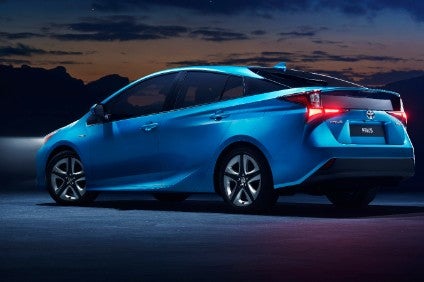
Registrations of diesel cars fell for the 31st consecutive month, down 28.3%, while petrol engined cars also declined, by 3.2%. Bucking the overall trend, electrified cars continued to grow in popularity. Hybrid electric cars increased by a considerable 28.9%, with 7,950 leaving showrooms, as battery electric vehicle registrations almost tripled, up +151.8% to 3,162 units. Plug-in hybrids, however, fell just short of their positive performance in the same month last year, down 1.7%, as they continue to be hit by the withdrawal of purchase incentives by the government.
Combined, alternatively fuelled vehicle registrations reached 9.9% market share in the month – the highest on record, up from 6.9% last year.
Year to date, the new car market remains in decline, down 2.9% on the first 10 months of 2018. The fall reflects continued uncertainty over diesel and clean air zones (for example, the city of Bristol has recently unveiled proposals for a blanket ban on private diesel cars in the city centre), stunted economic growth and uncertainty over Brexit.
Mike Hawes, SMMT Chief Executive, said: “The growth in alternatively fuelled cars is very welcome, showing increasing buyer appetite for these new technologies. The overall market remains tough, however, with October now the year’s eighth month of decline and in need of an injection of confidence. Whether the general election delivers a ‘bounce’ to the economy remains to be seen, but with attractive deals and an ever-greater choice of low, ultra low and zero emission models arriving in the UK’s showrooms, consumers have every incentive to consider buying a new car.”
Michael Woodward, UK automotive lead, Deloitte, said: “Concerns about personal finances and a fall in consumer confidence in the third quarter mean many are shying away from major purchases. According to Deloitte’s latest Consumer Tracker data, just 4% plan on purchasing a vehicle in the next three months – the lowest level recorded in the Tracker’s nine-year history.
“That said, it is encouraging to see consumer confidence in new technologies increase, as sales of electric and hybrid vehicles reached a market share of 9.9% this month. We expect sales in this area to accelerate next year, as the incoming 0% company car tax rate on zero emission vehicles comes into effect.
“The long-term decline in overall sales however, and the impact it is having on the residual values of stock, also means that dealers are becoming less inclined to pre-register cars. This has been an important driver of new car sales in the past, but exposes dealers to financial risks they are no longer willing or, in some cases, able to take.
“In the face of falling sales, rising costs and increased competition from personal leasing companies, some dealers will increasingly need to think of innovative ways around financing and leasing, and online sales, to serve the changing consumer.”
Note: MHEV = Mild Hybrid Electric Vehicles




