
Sales of imported light passenger vehicles in South Korea continued to rise strongly in December 2025, by almost 22% to 28,608 units from 23,524 units a year earlier, according to registration data released by the Korea Automobile Importers & Distributors Association (KAIDA).
The import segment continued to significantly outperform the domestic market last month, driven by strong sales of battery electric vehicles (BEVs) and hybrid electric vehicles (HEVs). By contrast, domestic deliveries by the country’s five main automakers combined declined by 2.5% to 115,815 units last month and were just 1% higher at 1,372,133units in the whole of 2025.
Go deeper with GlobalData


Discover B2B Marketing That Performs
Combine business intelligence and editorial excellence to reach engaged professionals across 36 leading media platforms.
Over the full year, import sales increased by almost 17% to 307,377 units, up from 263,288 units in 2024, with German-owned brands accounting for 59% of this total with 181,493 deliveries.
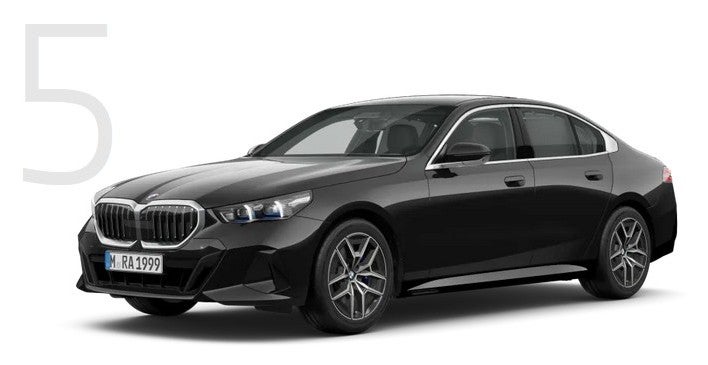
BMW continued to lead the import market last year with sales rising by 4.6% to 77,127 units, while sales by its Mini subsidiary increased by 4.5% to 7,990 units. Together, the two brands accounted for almost 28% of total import sales. Mercedes-Benz sales increased by 3% to 68,467 units, while Volkswagen Group reported a 4% rise to 27,743 units, thanks mainly to strong performances by Porsche and Audi.
US EV maker Tesla saw its sales more than doubled to 59,916 units in 2025, helped by the recent launch of its new lower-cost Model Y, while Volvo’s deliveries declined by 1% to 14,903 units. Toyota’s sales were slightly higher at 9,764 units, while its Lexus division reported a 7% rise to 14,891 units. Chinese automaker BYD, which officially entered this market last year, has delivered 6,107 vehicles to date.




