
Nissan Motor said it had made a breakthrough in the development of its e-Power hybrid technology with the new system achieving a 50% thermal efficiency level, according to reports in Japan.
The automaker said the breakthrough would lead to significant reductions of carbon dioxide (CO2) emissions when the technology was put in to commercial production.
Go deeper with GlobalData


Discover B2B Marketing That Performs
Combine business intelligence and editorial excellence to reach engaged professionals across 36 leading media platforms.
This company said the improved thermal efficiency could also reduce fuel consumption by 25% compared with its forthcoming e-Power engine which has a thermal efficiency of 40%.
The claimed breakthrough had been achieved by strengthening the gas flow into the cylinders, helping the ignition burn a more diluted air-fuel mixture at a higher compression ratio.
Nissan did not disclose when its latest e-Power technology would be put into production.
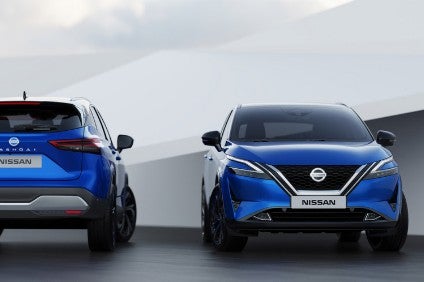
It launched its first e-Power hybrid system, which uses a petrol engine to recharge the batteries that power electric drive motors, in Japan in 2016 and is rolling out the latest version in the redesigned Qashqai currently being launched in global markets.
Toshihiro Hirai, Nissan SVP of powertrain and EV engineering, told reporters: “It took 50 years to increase thermal efficiency of conventional engines from 30% to 40%. With e-Power, we can increase this to 50% in just several years.”




