
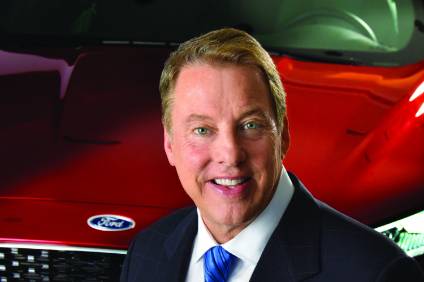
Ford chairman Bill Ford has defended the company’s strategic direction to cut cost and rationalise model lines despite a stubborn share price.
At the company’s annual shareholder meeting (held online), Bill Ford told investors that the decision to slash passenger car lines in North America is in the best interest of its shareholders.
Go deeper with GlobalData


Discover B2B Marketing That Performs
Combine business intelligence and editorial excellence to reach engaged professionals across 36 leading media platforms.
“We’ve been listening to our customers and watching shifts in the marketplace,” Ford said in response to a question from a shareholder about the move away from passenger cars. “We’re placing bets where we believe we can get you, the shareholders, very good returns,” he said.
Bill Ford has also warned that shareholders should expect ‘fairly large’ changes at the company in the coming year. At the end of last month, Ford said it would rationalise its product offering and cut costs still further. “We are committed to taking the appropriate actions to drive profitable growth and maximize the returns of our business over the long term,” said Jim Hackett, Ford president and CEO.
Ford said that by 2020, almost 90 percent of the Ford portfolio in North America will be trucks, utilities and commercial vehicles. Given declining consumer demand and product profitability, the company will not invest in next generations of traditional Ford sedans for North America, it said.
Over the next few years, the Ford car portfolio in North America will transition to just two vehicles – the Mustang and the Focus Active crossover coming out next year. The company is also exploring new “white space” vehicle silhouettes that ‘combine the best attributes of cars and utilities, such as higher ride height, space and versatility’.
However, some analysts have expressed concern that too much focus on cost-cutting at Ford could erode the company’s competitive position, particularly as cost demands climb in expensive areas such as electrification and other advanced technologies.
“This [the reduction in car lines] doesn’t mean we intend to lose those customers,” CEO Jim Hackett said. “We’re simply reinventing the American car.”




