
The Chinese government has introduced new nationwide regulations aimed at bringing to an end the prolonged “race-to-the-bottom” price war among vehicle manufacturers, which is seen as damaging the industry’s long-term growth prospects and innovation. Regulators confirmed the new rules are intended to protect consumers and businesses, while supporting the automotive industry’s high-quality, long-term development.
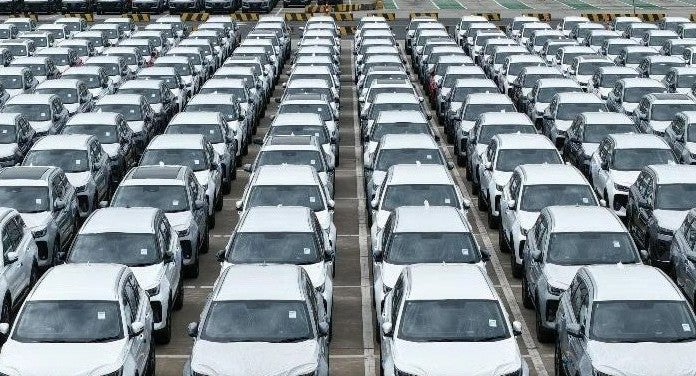
The announcement was made as data released by the China Association of Automobile Manufacturers (CAAM) pointed to a 16% decline in domestic vehicle deliveries to 1.665 million units in January, contrasting sharply with a 45% surge in exports to 681,000 units.
Go deeper with GlobalData


Discover B2B Marketing That Performs
Combine business intelligence and editorial excellence to reach engaged professionals across 36 leading media platforms.
The new rules were released by the government’s State Administration for Market Regulation (SAMR) department and set clear pricing obligations for automakers, distributors and dealers, while discontinuing the practice of selling vehicles and components at below their production cost, offering misleading discounts and other predatory pricing tactics aimed at stifling market competition.
SAMR spokesperson Wu Peng suggested that in recent years, vehicle manufacturers and dealers have engaged in “non-standard price labeling, price fraud, price collusion and cut-throat competition. The new guidelines aim to stop practices that disrupt market order, while protecting the legitimate rights and interests of consumers and businesses.”
The new rules require transparent, traceable pricing across the entire industry chain, from vehicles to parts and financial services, while eliminating practices such as excessive discounts, subsidies and rebates, and promotional giveaways with hidden charges. Regulators say the new regulations, which allow for “legally sanctioned” clearances of overstocked goods, are intended to protect consumers and businesses while supporting the sector’s long-term, high-quality development.
At the beginning of 2026, the government reduced its vehicle sales incentives, including transitioning its full purchase tax exemption on new energy vehicles (NEVs) to a 50% discount in January, while also reducing vehicle trade-in incentives.




