
In Europe, if you have been in the market for a family hatchback, the chances are that you may have considered the Volkswagen Golf, which for a long time (up until 2020) was the best-selling passenger car in Europe. And for buyers wanting to choose an alternative to the most popular option, VW Group also offered similar packages with the SEAT Leon and Škoda Scala. This theme repeats throughout other model lines in the two sister brands’ range, both of which usually offer a model whose underpinnings are shared with a Volkswagen, at a slightly lower price point. However, the difference in product planning for these brands may suggest that they will be treated differently within the VW Group going forward, particularly as we head into an electric era.
We are at the start of a transitionary period where some model lines are being phased out in favour of all-new electric launches, often labelled with sub-brand names such as ID for Volkswagen or IONIQ for Hyundai. Partly to make electric model ranges stand out, the design of some BEVs has been quite a departure from manufacturers’ existing lineups. In some cases, it is even an opportunity to rebrand and create a new identity, as seems to be the case with SEAT and its offshoot Cupra.
Go deeper with GlobalData


Access deeper industry intelligence
Experience unmatched clarity with a single platform that combines unique data, AI, and human expertise.
So far, there has been no indication that SEAT will launch a BEV anytime soon.
So far, there has been no indication that SEAT will launch a BEV anytime soon. Škoda, in comparison, already enjoys success with the Enyaq, and sales of this BEV are almost on a level with the Volkswagen ID.4 so far this year (to July). Škoda also recently revealed the Škoda 7S concept as well as plans for other BEVs in the pipeline, showcasing its clear BEV ambitions within the Group. In the longer term, it could therefore follow that SEAT would eventually be left without any BEV activity and therefore no longer provide an alternative to Volkswagen’s ID range, while Škoda’s BEV planning secures its spot in the VW Group as Volkswagen’s closest relative.
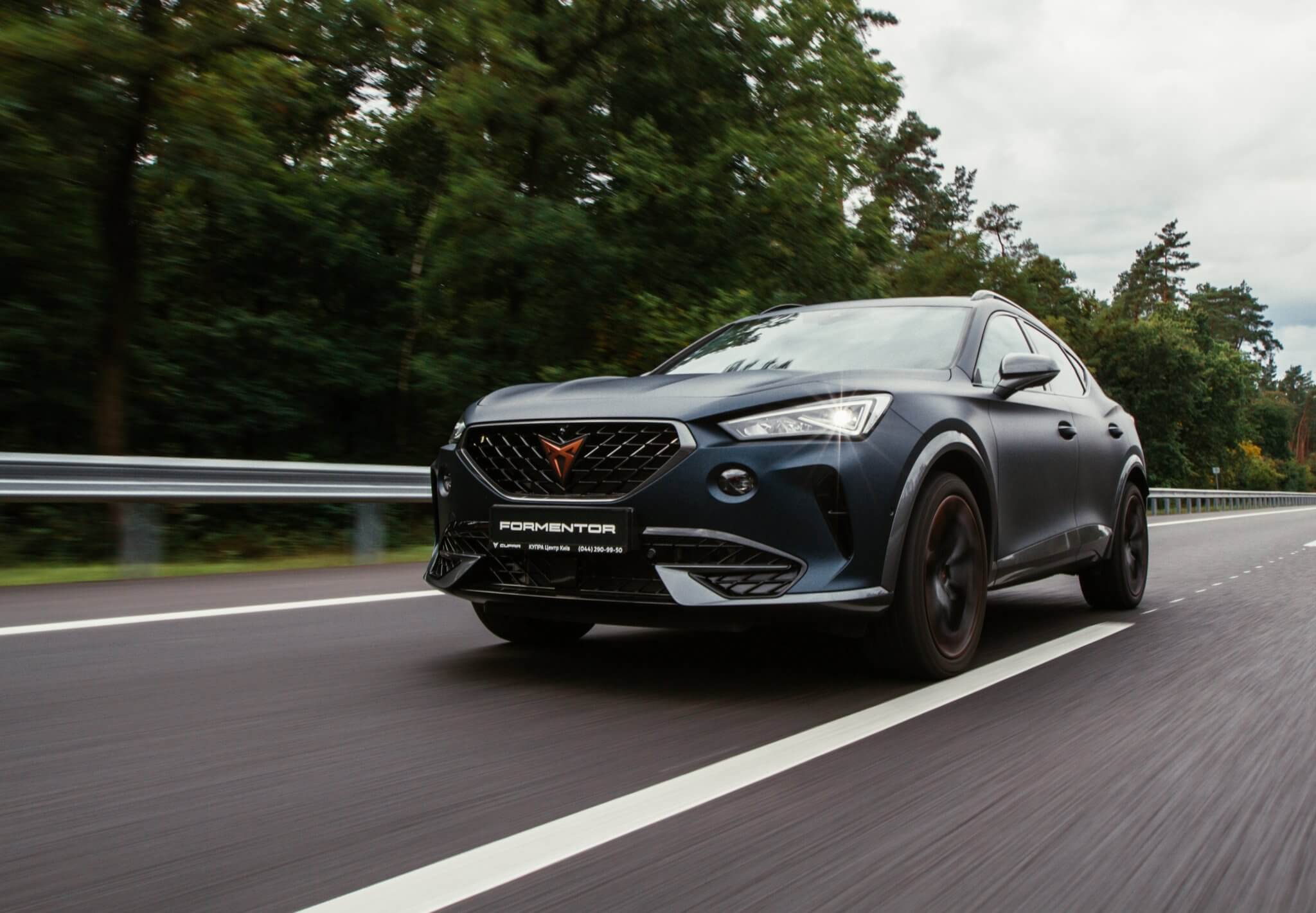
The longer-term BEV development for SEAT remains uncertain. It seems more likely the Cupra brand, which does include BEVs in its future, will shift away from its origin as a SEAT-based performance offshoot, to find its own identity. This was signalled with the announcement of the Terramar, due in 2024, previewed as a sister model to the next generation Audi Q3. Today’s savvy customers will be aware that this model is mechanically twinned with an Audi, rather than a SEAT. VW Group will hope this allows Cupra to be pushed upmarket towards a reputation and pricing strategy more in line with the Premium manufacturers.
This potentially allows for a more profitable future for the Cupra brand, and if there really is no BEV planning in place for SEAT, might we be witnessing the demise of the Spanish brand?
Sammy Chan




