
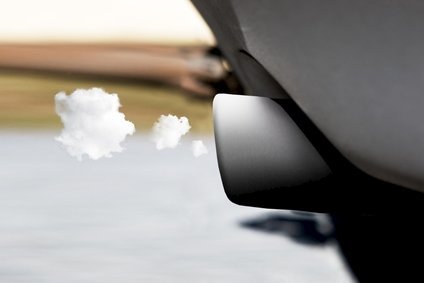
A global crackdown on diesel engine emissions is only a matter of time and businesses need to plan ahead, says supply chain specialist Richard Gane.
A global crackdown on diesel engine emissions is only a matter of time and businesses need to plan ahead as concerns about air quality escalate and fleet operators, as well as companies that rely on deliveries made by road, need to plan ahead.
Go deeper with GlobalData


Access deeper industry intelligence
Experience unmatched clarity with a single platform that combines unique data, AI, and human expertise.
The strict Euro 6 emissions regulations, which apply to all new car models that were launched in the UK from 1 September 2014 and affect all new vehicle registrations from 1 September 2015, have led to a raft of compliant cars being launched with Selective Catalyst Reduction (SCR) technology – including Audi‘s 3.0 V6 TDI and the five-door Mini hatch range. While this technology will make a difference to local air quality in time, the effect is going to take a while to filter through, and in the meantime, concern about air quality is growing at a pace.
Earlier this year, the World Health Organisation (WHO) doubled its estimate of the number of people who die as a result of air pollution each year based on increased knowledge about the health effects of pollutants such as NOx (nitrogen dioxide and nitric oxide) and particulates. In addition, research published recently by Imperial College London and Emissions Analytics has warned that the impact of modern diesel engines on urban air quality has been significantly underestimated.
There is no doubt that Euro 6-compliant vehicles will help to improve air quality but the effects are not going to be immediate and emissions regulations are bound to tighten further. Inevitably the focus is going to fall on diesel-engined cars, which are responsible for three times the NOx emissions of their petrol-engined counterparts.
Adding further urgency to the issue, the European Commission has recently put forward radical proposals to ban petrol and diesel-engined passenger cars from European city centres by 2050 and to ensure that 50 percent of all vehicles on the road are zero emissions by 2030.
While these proposals are not set in stone and may well be put back, the timescales are not that far away and businesses need to start preparing now.
Larger fleet operators and logistics companies that need to operate in town and city centres are already investing in hybrid or electric vehicles. This switchover has also been facilitated by improvements in infrastructure. This is an expensive option, however, and smaller operators may not be able to afford the outlay.
Some smaller, independently-run fleet operators and logistics businesses may not be able to justify up-front capital investment in the latest hybrid or electric models. These same companies are also among those most likely to have diesel-engined vehicles, due to the more favourable tax incentives that exist, and they are therefore more likely to come under pressure to upgrade their fleets to greener models.
Thinking ahead, some fleet operators and logistics companies are taking a more sophisticated approach to journey planning by using on-board telematics to help reduce emissions by controlling speed and timing or routing journeys to avoid road traffic congestion. In some cases, these systems provide real-time information to the driver about fuel consumption and features, such as a steep hill or a heavily congested area, so they can make adjustments as necessary.
Some businesses that rely on regular road transport deliveries may even need to make adjustments to their operational structure and modify supply chains. This is because more stringent regulation and other restrictions could lead to some lack of supply in the logistics sector in the short term and prices could increase as a result. Businesses using such services may therefore choose to reduce their reliance on road transport deliveries by increasing inventory levels, for example. Other businesses may also choose to reduce their operational footprint in order to shorten supply chains and reduce their exposure to increasing transportation costs.
The focus on air quality will inevitably lead to changes and diesel-engined vehicles are likely to be targeted. Many businesses will need to make adjustments to account for this – some more radical and far-reaching than others. Fleet operators and logistics companies will need to switch to greener fleets sooner rather than later. This is going to require some significant investment and businesses reliant on fleet-operated services or deliveries could end up paying the price.
Richard Gane is a partner and transport sector specialist at supply chain consultancy Vendigital



