
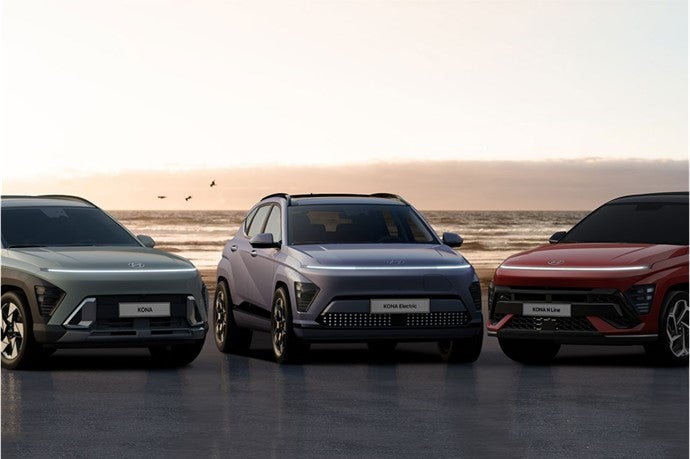
Hyundai Motor Group reportedly said on Tuesday it would launch more electric vehicles (EVs) under the Hyundai and Kia brands in India, in a sign it was betting big on the world’s third largest auto market.
Reuters said Hyundai, already India’s second biggest carmaker by sales, would introduce five EV models by 2032 to add to the two it already sells – the Kona and Ioniq 5 sport utility vehicles (SUVs). It will also increase charging stations to 439 by 2027.
Go deeper with GlobalData


Discover B2B Marketing That Performs
Combine business intelligence and editorial excellence to reach engaged professionals across 36 leading media platforms.
HMG said in a statement cited by the news agency Kia would start producing small EVs from 2025, develop EV charging infrastructure and double its sales network, aiming to boost its domestic market share to 10% eventually, from 6.7% now.
Hyundai previously said it planned to invest US$2.45bn to beef up Indian EV production and was confident of local market demand for EVs.
“The country is becoming an increasingly important centre for electric vehicle production and sales,” Hyundai told Reuters.
It expected EV sales to reach 1m units by 2030, a massive jump from the 48,105 sold in fiscal 2023, according to Indian government data quoted by an industry body.
That could include Teslas, with the company planning to sell locally made EVs, starting at $24,000, Reuters added.
India sales outperformed expectations in June




